 by
Korean rice bowls have become a beloved staple for food enthusiasts around the world, thanks to their vibrant flavors, customizable ingredients, and cultural richness. Whether enjoyed as a comforting weeknight meal or presented at a festive gathering, these bowls offer endless possibilities for creativity. In this guide, we’ll explore a variety of korean rice bowl serving suggestions, from traditional ingredient pairings to inventive sauces, toppings, and presentation ideas. No matter your dietary preference or culinary skill level, you’ll find inspiration to elevate your next rice bowl experience.
Classic Components and Preparation Techniques
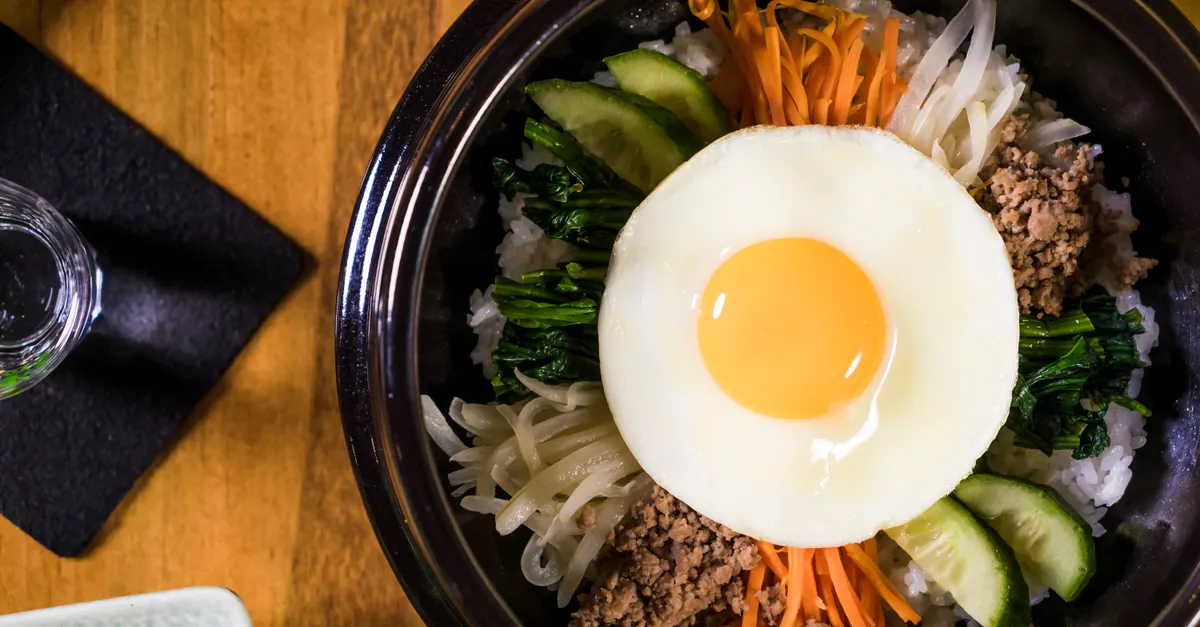
The foundation of any Korean rice bowl lies in its balance of textures, flavors, and colors. Traditionally, these bowls feature steamed white rice as the base, topped with an array of vegetables, proteins, and savory sauces. Bibimbap is perhaps the most iconic example, combining rice with sautéed spinach, bean sprouts, carrots, shiitake mushrooms, and a choice of beef, chicken, or tofu. The signature element is a generous dollop of gochujang—a spicy, slightly sweet fermented chili paste—mixed in just before eating.
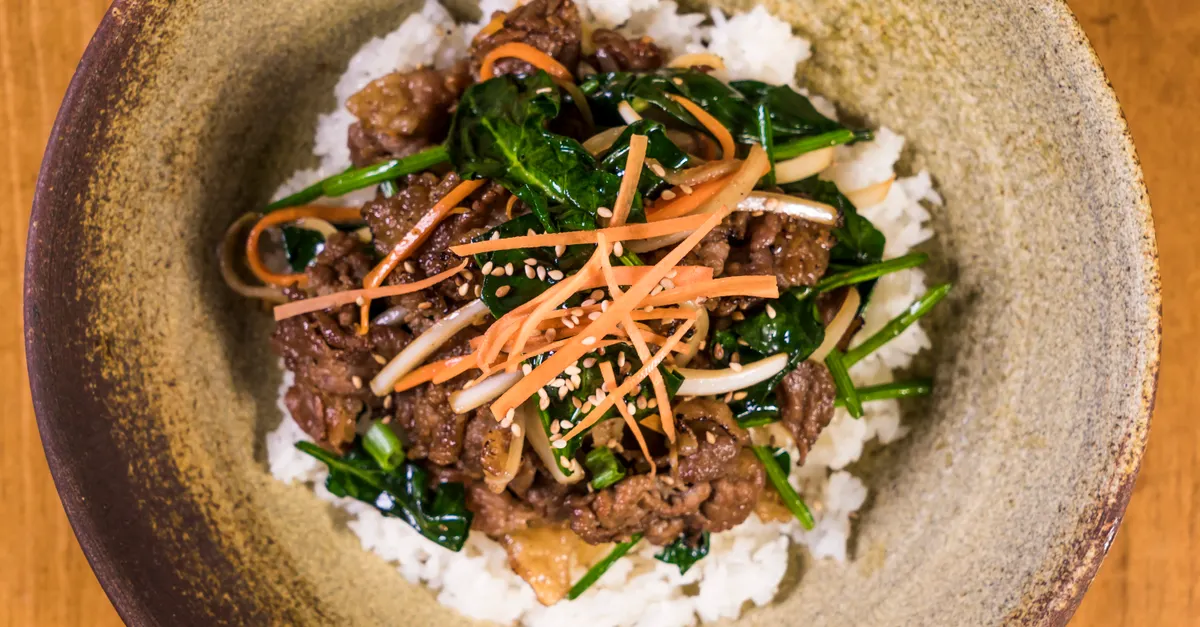
Another classic is Bulgogi rice bowls, where thinly sliced marinated beef is grilled and served over rice with vegetables. The marinade’s unique flavor comes from a blend of soy sauce, sesame oil, garlic, and the distinctive addition of grated onion and apple, which add sweetness and depth. For a crispy twist, Dolsot Bibimbap is served in a hot stone bowl, creating a deliciously crunchy rice crust at the bottom.
Preparation typically involves arranging each component separately on the rice, allowing diners to appreciate the variety before mixing everything together. This method not only highlights the freshness of each ingredient but also creates a visually appealing presentation.
Adapting Korean Rice Bowls for Every Diet
One of the strengths of Korean rice bowls is their adaptability to different dietary needs. For those seeking vegan or gluten-free options, it’s easy to substitute traditional proteins with plant-based alternatives and adjust sauces as needed. Tofu, tempeh, or marinated mushrooms can replace meat, while tamari or coconut aminos can stand in for soy sauce to avoid gluten.
Pescatarians might enjoy Hoedeopbap, a variation featuring sashimi-grade fish, fresh vegetables, and a tangy gochujang-based sauce. For a hearty breakfast, leftover grains can be transformed into a nourishing morning meal—ideas for this can be found in the leftover rice breakfast bowl recipe, which demonstrates how versatile rice bowls can be across meals.
For those interested in whole grains, black rice or quinoa can be used as a base, offering a nutty flavor and added nutrition. These adaptations ensure that everyone can enjoy the satisfying experience of a Korean rice bowl, regardless of dietary restrictions.
Sauces and Toppings: The Heart of Flavor
What truly sets Korean rice bowls apart is the variety and depth of sauces and toppings. These elements not only enhance flavor but also allow for endless customization. The most essential sauce is gochujang, known for its spicy, umami-rich profile. It’s often thinned with sesame oil, rice vinegar, and a touch of sugar to create a balanced drizzle.
For those who prefer milder flavors, soy sauce-based dressings are a great choice. Mixing soy sauce with sesame oil, garlic, and a hint of honey creates a savory-sweet glaze that pairs well with both vegetables and proteins. Bulgogi marinade, as mentioned earlier, is another standout—its combination of grated onion and apple delivers a subtle sweetness that complements grilled meats or tofu.
Toppings add texture and visual interest. Popular choices include:
- Kimchi: Fermented cabbage or radish for tang and crunch
- Sesame seeds: Toasted for nutty aroma
- Julienned nori (seaweed): Adds a briny note
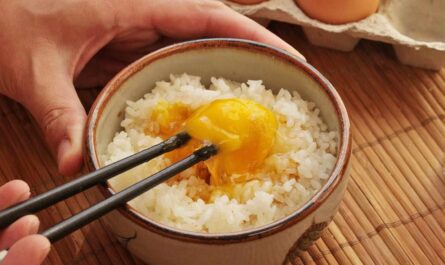
- Fried or poached eggs: For richness and creaminess
- Pickled vegetables: Such as daikon or cucumber for brightness
- Microgreens or scallions: For freshness and color
Experimenting with different combinations of sauces and toppings is the best way to discover your favorite flavor profiles. Don’t hesitate to try store-bought or homemade versions of these condiments, or even serve a selection on the side for guests to customize their own bowls.
Creative Ideas for Serving and Presentation
Presentation plays a key role in the enjoyment of Korean rice bowls. Arranging ingredients in neat sections over the rice not only highlights their colors but also invites diners to mix and match flavors as they please. For a dramatic effect, serve the bowl in a hot stone vessel to create a crispy rice layer—a technique used in Dolsot Bibimbap.
For gatherings, consider offering a DIY rice bowl bar. Set out bowls of steamed rice, a variety of proteins, vegetables, sauces, and toppings so guests can assemble their own creations. This interactive approach is both fun and accommodating to different tastes and dietary needs.
Another creative serving suggestion is to use lettuce leaves or seaweed sheets as wraps, allowing diners to scoop up rice and fillings for a light, handheld meal. Alternatively, try pairing your rice bowl with rice burrito bowl with leftovers for a fusion twist that combines Korean flavors with a portable format.
For added elegance, garnish your bowl with edible flowers, thinly sliced chili peppers, or a sprinkle of black sesame seeds. Using ceramic rice bowls or bamboo serving trays can further enhance the visual appeal and elevate the dining experience.
Frequently Asked Questions
What are the most common ingredients in a Korean rice bowl?
Typical ingredients include steamed white or brown rice, sautéed or pickled vegetables (such as spinach, carrots, bean sprouts, and mushrooms), a protein like beef, chicken, tofu, or fish, and a flavorful sauce like gochujang or soy-based dressing. Toppings such as kimchi, sesame seeds, and fried eggs are also popular.
How can I make my Korean rice bowl gluten-free?
To create a gluten-free version, use tamari or coconut aminos instead of regular soy sauce, and ensure that any store-bought sauces or marinades are labeled gluten-free. Opt for naturally gluten-free grains like rice or quinoa, and check that all toppings are free from wheat-based additives.
What are some unique sauces or toppings to try?
Beyond classic gochujang and soy-based sauces, try adding perilla oil for a nutty flavor, or experiment with pickled radish, roasted seaweed, or spicy chili crisp for extra heat and crunch. Mixing and matching different sauces and toppings is encouraged to find your personal favorite combination.
Conclusion: Experiment and Enjoy
Exploring different korean rice bowl serving suggestions opens up a world of culinary creativity. From classic Bibimbap to inventive fusion bowls, the possibilities are nearly endless. By experimenting with various grains, proteins, sauces, and toppings, you can tailor each bowl to your taste and dietary needs. Don’t hesitate to try new combinations, present your bowls with flair, and share the experience with friends and family. The beauty of Korean rice bowls lies in their adaptability and the joy of discovering new flavors with every meal.