 by
Korean rice bowls are celebrated for their vibrant flavors, customizable ingredients, and satisfying textures. Whether enjoyed as a quick weeknight meal or a centerpiece for gatherings, these bowls offer something for everyone. Understanding the different korean rice bowl cooking methods can help you achieve authentic results and adapt the dish to your preferences. This guide explores traditional techniques, ingredient choices, and sauce variations to help you create delicious rice bowls at home.
Traditional Techniques for Cooking Rice
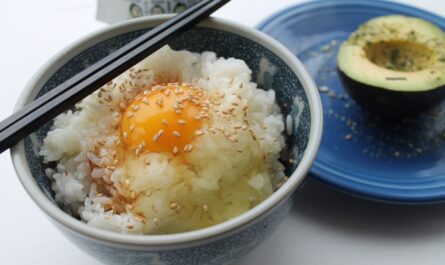
At the heart of every Korean rice bowl is perfectly cooked rice. Traditionally, Koreans use short-grain white rice, which yields a sticky and slightly chewy texture ideal for holding toppings and sauces. The most authentic method involves rinsing the rice several times until the water runs clear, removing excess starch for a cleaner taste and better texture.
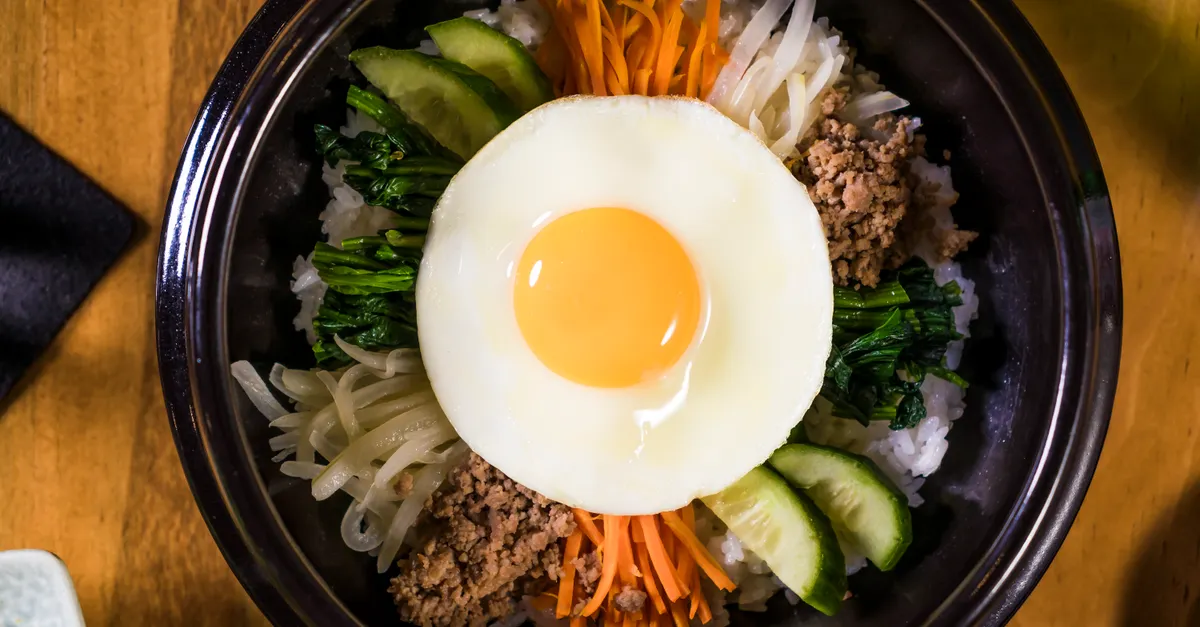
Rice is typically cooked in a heavy-bottomed pot or a Korean stone pot called a “dolsot.” This method allows the bottom layer of rice to crisp up, creating a golden crust known as “nurungji.” For those who prefer convenience, a rice cooker is a popular alternative, offering consistent results with minimal effort. If you encounter issues like uneven cooking, you may find helpful advice in rice cooker cooking tips that address common problems and adjustments.
For health-conscious eaters or those seeking variety, alternatives such as brown rice, Jasmine rice, or even cauliflower rice can be used. While these options may alter the texture and flavor, they still provide a satisfying base for toppings and sauces.
Adapting Rice Bowls for Different Diets
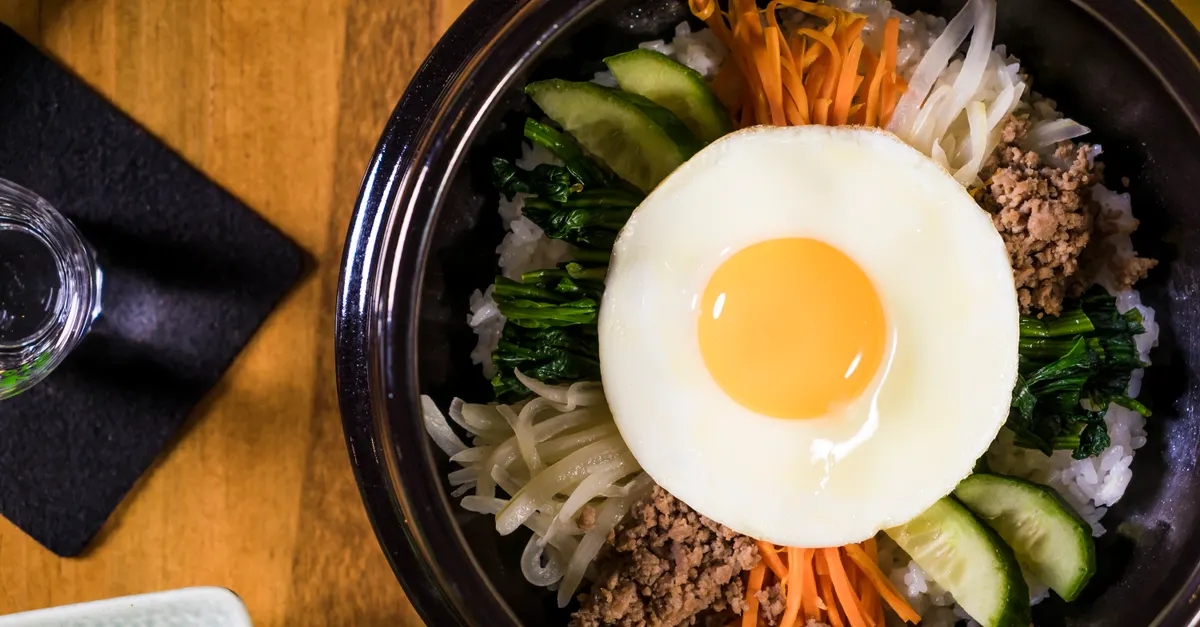
One of the strengths of Korean rice bowls is their adaptability. Classic versions like Bibimbap feature a mix of rice, sautéed vegetables, marinated meat, and a spicy sauce. For a twist, Dolsot Bibimbap is served in a sizzling hot stone bowl, which crisps the rice at the bottom and keeps the dish warm throughout the meal.
To accommodate various dietary needs, ingredients can be easily swapped. For a vegan or vegetarian bowl, omit the meat and egg, and add more vegetables or plant-based proteins like tofu or tempeh. Gluten-free versions can be achieved by ensuring all sauces and marinades are free from wheat-based ingredients. Cauliflower rice is a popular low-carb substitute that maintains the spirit of the dish while reducing calories and carbohydrates.
Other popular variations include Hoedeopbap (a rice bowl topped with fresh raw fish and vegetables) and shrimp-based bowls. For inspiration on seafood adaptations, see these korean rice bowl with shrimp ideas. Each variation can be tailored to suit personal tastes and dietary restrictions, making Korean rice bowls a versatile option for any table.
Key Ingredients for Authentic Flavor
The foundation of a great Korean rice bowl lies in its ingredients. While the base is typically steamed white rice, the toppings are what set each bowl apart. Common vegetables include spinach, carrots, bean sprouts, zucchini, and mushrooms, all lightly seasoned and sautéed. Protein options range from bulgogi (marinated beef) and grilled chicken to tofu and seafood.
A fried egg, often sunny-side up, is a signature component, adding richness and visual appeal. The final touch is a generous spoonful of sauce, usually based on gochujang (Korean chili paste), which ties all the flavors together. Garnishes like toasted sesame seeds, sliced green onions, and nori strips add texture and aroma.
For those preparing rice bowls for younger eaters, consider milder toppings and sauces. There are plenty of korean rice bowl for kids recipes that balance traditional flavors with kid-friendly ingredients.
Mastering Sauce Preparation and Variations
The sauce is the soul of a Korean rice bowl, providing heat, sweetness, and umami. The classic version uses gochujang as a base, blended with ingredients like coconut aminos, honey, garlic powder, and sesame oil. This combination creates a spicy, slightly sweet, and savory profile that complements the other bowl components.
To customize your sauce, consider the following variations:
- Mild Sauce: Reduce the amount of gochujang and add more honey or a splash of rice vinegar for a gentler flavor.
- Gluten-Free: Use tamari or coconut aminos instead of soy sauce to keep the sauce gluten-free.
- Vegan: Substitute honey with maple syrup or agave nectar.
- Nutty: Add a spoonful of tahini or ground sesame seeds for extra richness.
Mix the sauce ingredients in a bowl and adjust to taste. The right balance of spicy, sweet, and savory will elevate your rice bowl from simple to unforgettable. For convenience, a sauce mixing bowl can make preparation easier and less messy.
Popular Korean Rice Bowl Variations
While Bibimbap is the most recognized, there are several other rice bowl styles worth exploring:
- Bibimbap: A colorful mix of rice, assorted vegetables, meat, egg, and spicy sauce, all stirred together before eating.
- Dolsot Bibimbap: Served in a hot stone pot, this version creates a crispy rice crust at the bottom for added texture.
- Hoedeopbap: Features fresh sashimi-style fish and vegetables, topped with a tangy gochujang-based sauce.
- Vegetarian/Vegan Bowls: Focus on a variety of sautéed or pickled vegetables, tofu, and plant-based sauces.
- Seafood Bowls: Incorporate shrimp, squid, or other seafood for a lighter, ocean-inspired meal.
Each of these bowls can be further personalized with different grains, proteins, and vegetables, allowing for endless creativity in the kitchen. For more inspiration on how to serve and present these bowls, check out these korean rice bowl serving suggestions.
Conclusion: Enjoying Homemade Korean Rice Bowls
Exploring the many korean rice bowl cooking methods opens up a world of flavor and creativity. By mastering traditional rice preparation, experimenting with ingredient combinations, and perfecting your sauce, you can bring authentic Korean cuisine to your own table. The flexibility of these bowls makes them suitable for a variety of diets and occasions, whether you’re cooking for family, friends, or just yourself. Start with the basics, then let your taste and imagination guide you to new and delicious variations.
Frequently Asked Questions
What is the best rice to use for Korean rice bowls?
Short-grain white rice is the traditional choice due to its sticky texture, which helps hold toppings and sauce. However, brown rice, Jasmine rice, or even cauliflower rice can be used for different flavors and dietary needs.
How do I make the rice crispy at the bottom like in restaurants?
To achieve the crispy rice layer found in Dolsot Bibimbap, cook the rice in a preheated stone pot or a heavy-bottomed pan. Let the rice sit undisturbed over medium heat for several minutes after steaming to form a golden crust.
Can I prepare Korean rice bowls ahead of time?
Yes, you can cook the rice and prepare toppings in advance. Store each component separately in the refrigerator, and assemble the bowls just before serving. Reheat the rice and toppings for best results, and add the sauce fresh to preserve its flavor.