 by
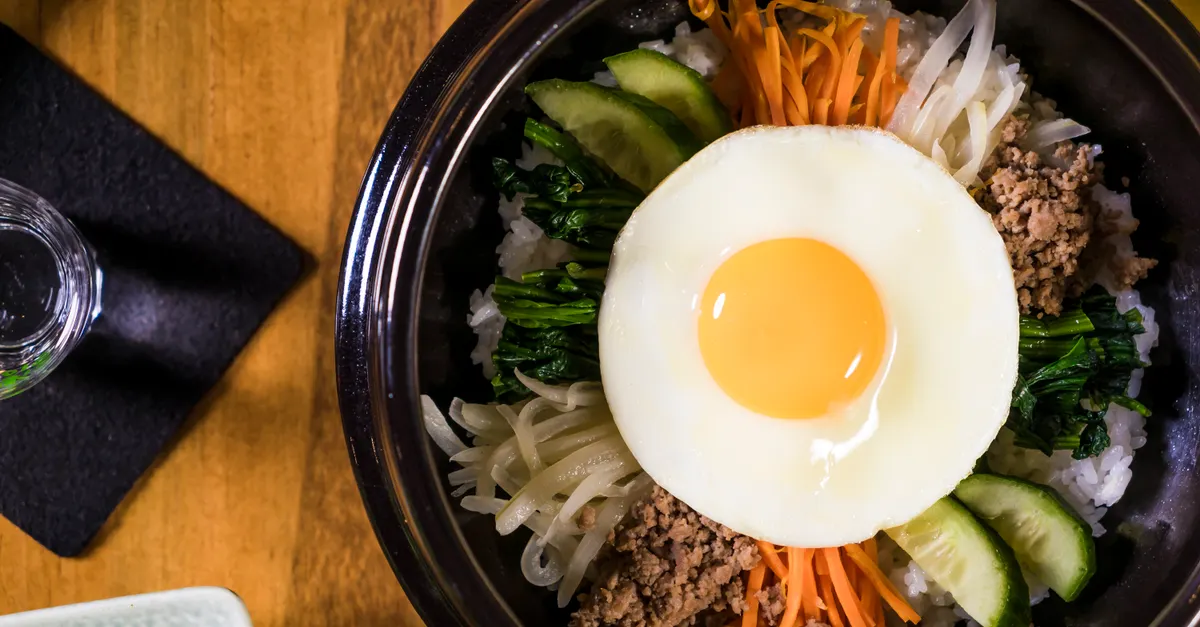
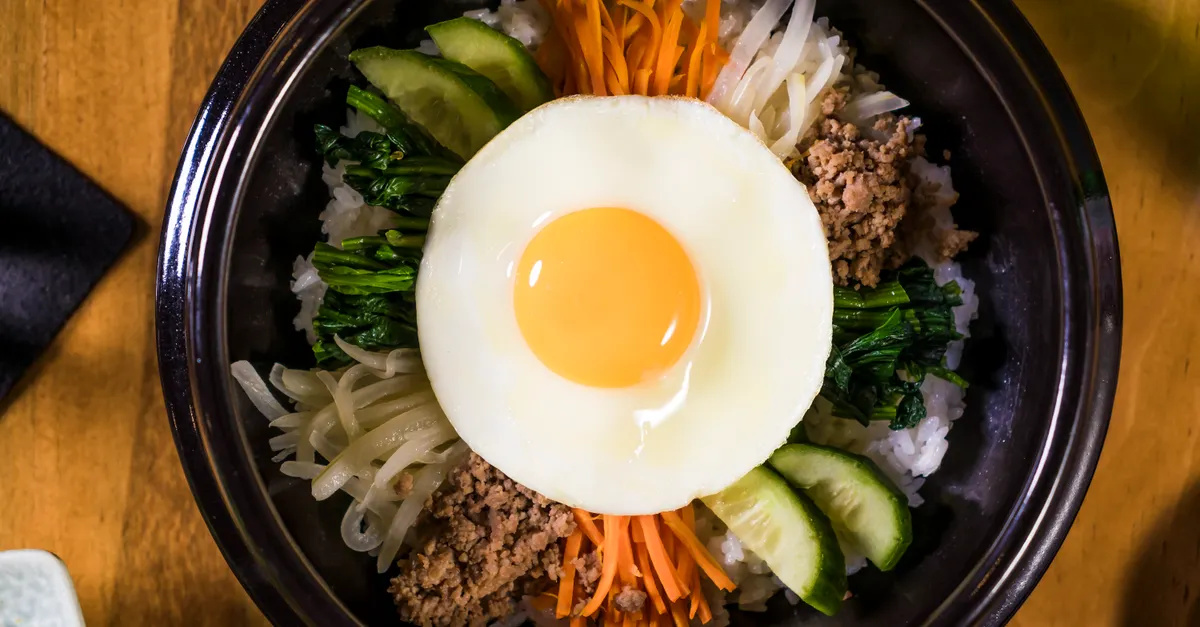
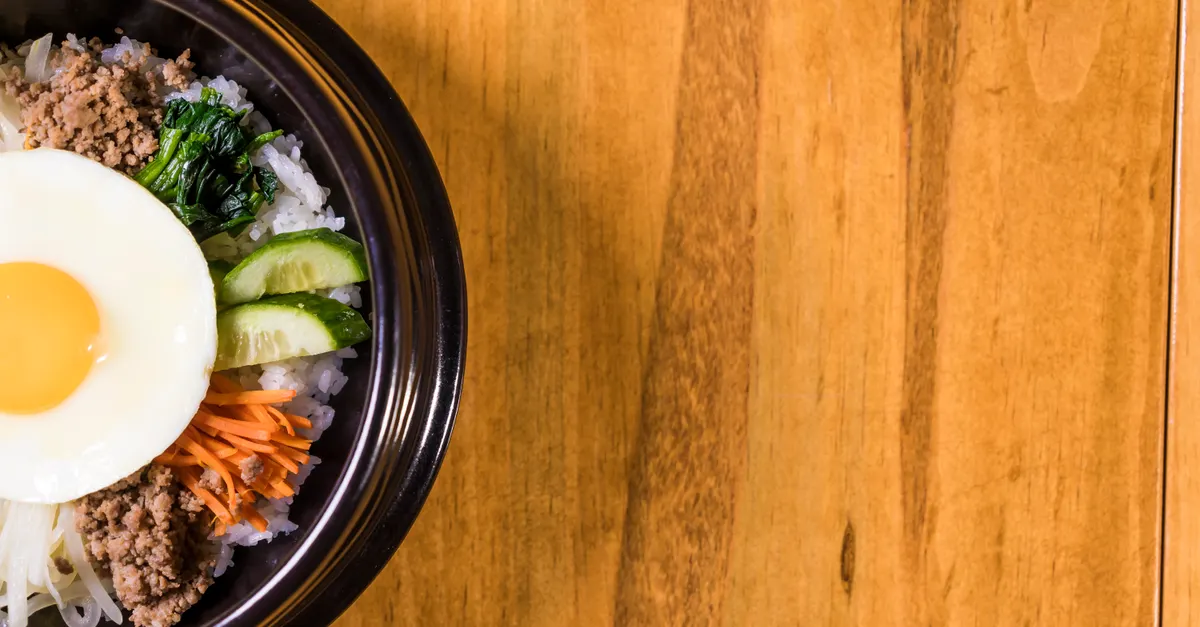
The Korean rice bowl with egg, often referred to as Bibimbap, is a quintessential dish in Korean cuisine that combines a harmonious blend of flavors and textures. This dish typically includes rice, a variety of vegetables, sliced meat, a perfectly fried egg, and a spicy hot sauce that ties everything together. The beauty of this dish lies in its versatility and the way it can be customized to suit different tastes and dietary preferences. Whether you’re a seasoned cook or a beginner, creating this dish at home is both rewarding and delicious.
One of the key elements of a Korean rice bowl with egg is its balance of ingredients, which not only provides a delightful taste but also a visually appealing presentation. The vibrant colors of the vegetables, the golden hue of the egg yolk, and the rich red of the Gochujang sauce create a feast for the eyes. This dish is not only a staple in Korean households but also a popular choice in Korean restaurants worldwide. For those interested in exploring various techniques, you might find the article on korean rice bowl cooking methods quite enlightening.
In this article, we’ll delve into the essential ingredients, step-by-step preparation, and the cultural significance of this beloved dish. You’ll also discover how to customize your Korean rice bowl to suit your personal taste, making it a versatile addition to your culinary repertoire.
Essential Ingredients for a Korean Rice Bowl
To create an authentic Korean rice bowl with egg, you’ll need a selection of traditional ingredients that form the foundation of this dish. The primary component is short-grain rice, which provides the perfect texture and stickiness needed to hold the dish together. Vegetables such as spinach, carrots, and bean sprouts add freshness and crunch, while the protein component can vary from beef to chicken or tofu for a vegetarian option. A fried egg is placed on top, adding richness and depth to the dish.
Gochujang, a fermented red chili paste, is a crucial ingredient that gives the dish its signature spicy kick. Soy sauce, sesame oil, garlic, and ginger are also essential for seasoning and enhancing the flavors. Kimchi, a staple in Korean cuisine, can be added for an extra layer of flavor and texture. These ingredients not only contribute to the taste but also reflect the cultural heritage of Korean cooking.
Ingredients: A Balanced Medley
- 2 cups of short-grain rice
- 1 cup of spinach
- 1 cup of bean sprouts
- 1 carrot, julienned
- 1 zucchini, sliced
- 200g of beef or chicken, sliced
- 2 tablespoons of Gochujang
- 2 tablespoons of soy sauce
- 1 tablespoon of sesame oil
- 2 cloves of garlic, minced
- 1 teaspoon of ginger, grated
- 4 eggs
- Kimchi, to taste
Essential Cookware and Tools
To prepare a Korean rice bowl with egg, having the right cookware and tools can make the process smoother and more enjoyable. A rice cooker is invaluable for perfectly cooked rice every time. A non-stick frying pan is ideal for frying the eggs to perfection without sticking. Additionally, a vegetable peeler will help you quickly and efficiently prepare your vegetables.
Step-by-Step Preparation Guide
- Start by cooking the short-grain rice in a rice cooker or on the stove according to the package instructions. The rice should be fluffy and slightly sticky.
- While the rice is cooking, prepare the vegetables. Blanch the spinach and bean sprouts in boiling water for about 2 minutes, then drain and set aside.
- In a non-stick frying pan, heat a tablespoon of sesame oil over medium heat. Add the sliced beef or chicken, garlic, and ginger, and stir-fry until the meat is cooked through.
- In the same pan, add the julienned carrots and sliced zucchini, and stir-fry for about 3 minutes until they are tender yet crisp.
- Fry the eggs in a separate pan until the whites are set but the yolks remain runny.
- To assemble the bowl, place a portion of rice at the bottom, arrange the vegetables and meat around the edges, and place the fried egg on top. Add a spoonful of Gochujang and a drizzle of soy sauce.
- Serve with a side of kimchi and enjoy your homemade Korean rice bowl with egg!
Storing Your Korean Rice Bowl
Leftovers of your Korean rice bowl with egg can be stored in an airtight container in the refrigerator for up to two days. To reheat, it’s best to use a microwave or a pan on the stove. Ensure that the rice is heated thoroughly, and if possible, fry a fresh egg to place on top before serving. This will help maintain the dish’s texture and flavor.
Health Benefits of Korean Rice Bowl
The Korean rice bowl with egg is not only delicious but also nutritious. It provides a balanced meal with carbohydrates from the rice, proteins from the meat and egg, and a variety of vitamins and minerals from the vegetables. The inclusion of kimchi adds probiotics for gut health. This dish can be customized to be more health-conscious by using brown rice and adding more vegetables while reducing the amount of meat and sauce.
Conclusion
Creating a Korean rice bowl with egg at home is a delightful culinary adventure that brings the flavors of Korea to your kitchen. With its rich cultural significance and the ability to customize it to your liking, this dish is a perfect addition to any meal plan. Whether you’re exploring Korean cuisine for the first time or looking to perfect your technique, this recipe offers a wonderful opportunity to enjoy a classic dish that is both satisfying and nutritious.
Care for Your Cookware
Proper care of your cookware is essential to maintain its longevity and performance. After preparing your Korean rice bowl with egg, ensure that you clean your non-stick frying pan with a soft sponge and mild detergent to prevent scratching the surface. Regular maintenance of your rice cooker by following the manufacturer’s instructions will ensure it continues to cook rice perfectly every time.