 by
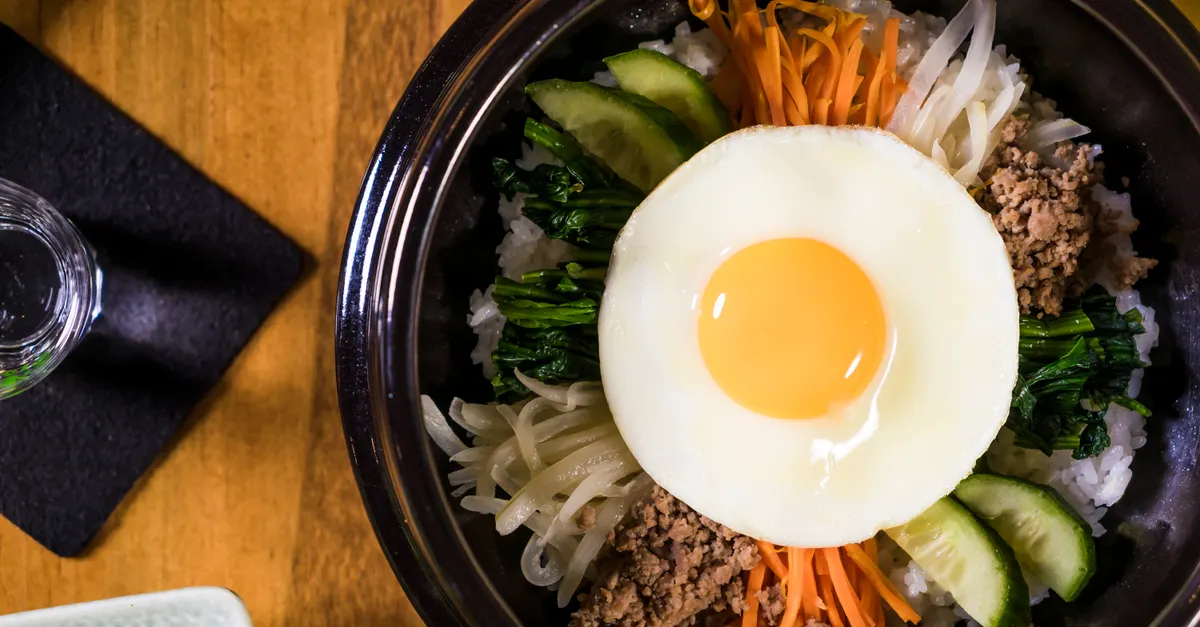
Embark on a culinary journey with the vibrant and nutritious Korean rice bowl with vegetables, a dish that perfectly encapsulates the essence of Korean cuisine. Known as bibimbap, this colorful bowl is not only a feast for the eyes but also a delight for the palate. It combines a harmonious blend of fresh vegetables, perfectly cooked rice, and savory sauces, making it a popular choice for those seeking a healthy and satisfying meal. Whether you’re a seasoned cook or a beginner in the kitchen, this guide will provide you with all the information you need to create your own Korean rice bowl masterpiece.
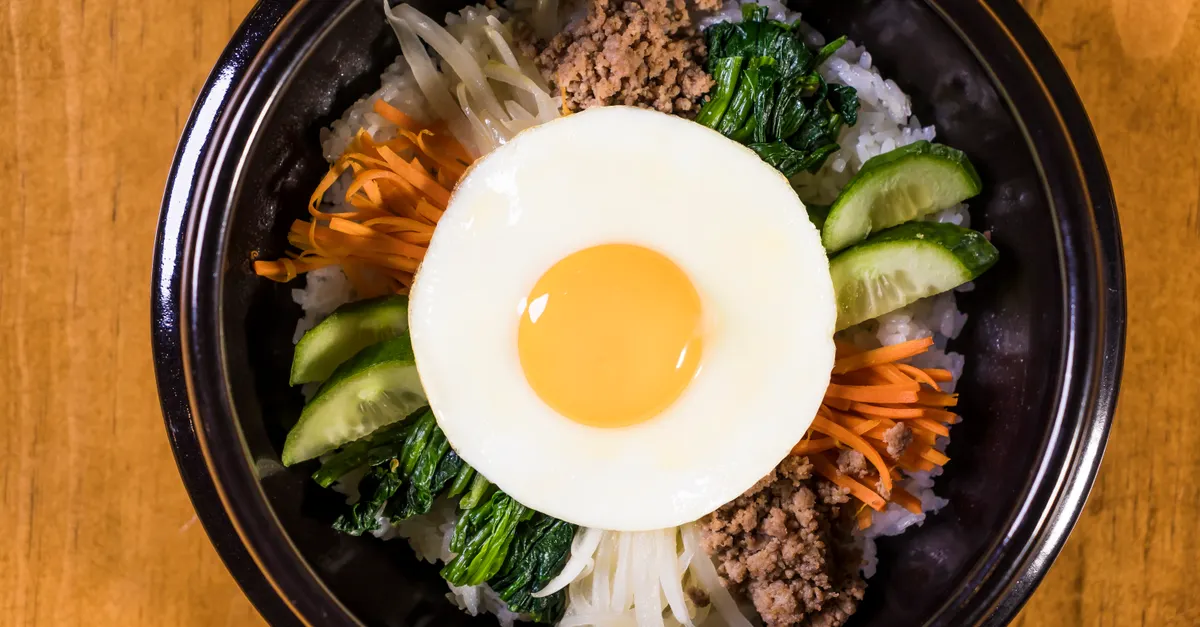
The Korean rice bowl is deeply rooted in Korean culinary traditions, offering a delightful mix of flavors and textures. Bibimbap, which translates to “mixed rice,” is a versatile dish that can be customized to suit various dietary preferences. Traditionally, it includes a variety of vegetables such as bean sprouts, carrots, cucumbers, and shiitake mushrooms, all served over a bed of short-grain rice. The dish is often topped with a fried egg and a generous dollop of gochujang, a spicy fermented red chili paste that adds a distinctive kick. For more insights into the diverse korean rice bowl cooking methods, explore our comprehensive guide.
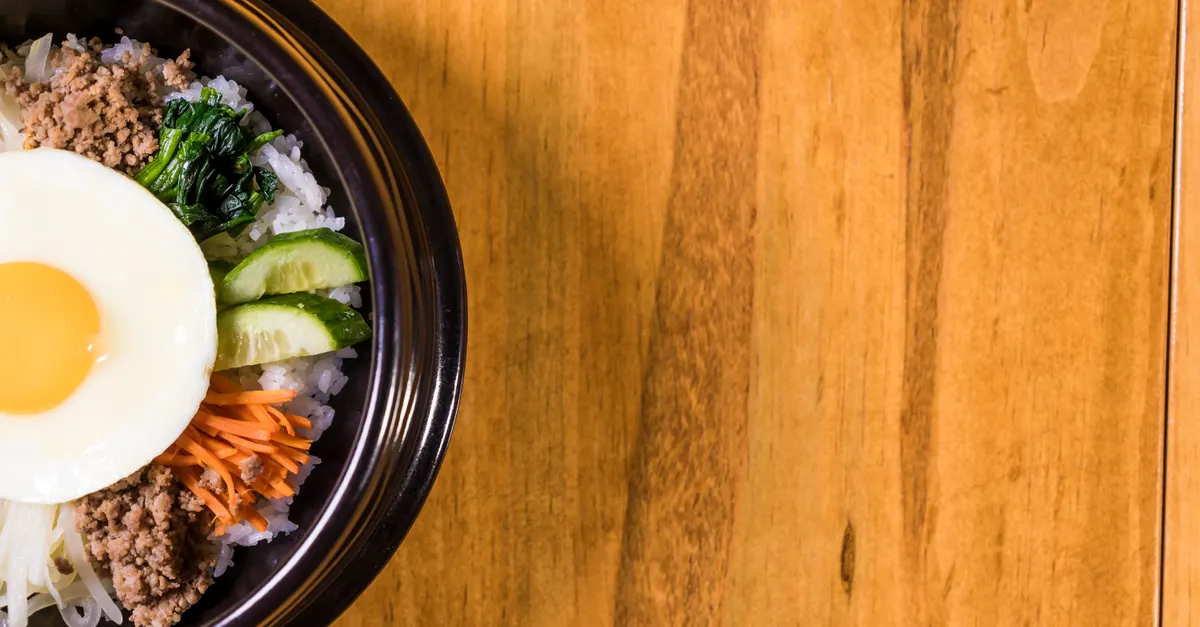
Colorful Korean Rice Bowl with Fresh Vegetables
Traditional Vegetables and Ingredients
At the heart of every bibimbap is a selection of fresh, vibrant vegetables that not only add color but also provide a range of textures and flavors. Commonly used vegetables include bean sprouts, which offer a crunchy texture, and carrots, which add a touch of sweetness. Cucumbers provide a refreshing contrast, while shiitake mushrooms contribute an earthy depth. These vegetables are typically sautéed or blanched to enhance their natural flavors. The rice used is short-grain, known for its sticky texture that holds the dish together. Gochujang, the spicy red chili paste, is a staple in Korean cuisine and is used to add heat and complexity to the dish.
Ingredients: A Balanced Medley
- 2 cups short-grain rice
- 1 cup bean sprouts
- 1 cup julienned carrots
- 1 cup sliced cucumbers
- 1 cup sliced shiitake mushrooms
- 4 eggs
- 2 tablespoons gochujang
- 2 tablespoons sesame oil
- Salt and pepper to taste
Essential Cookware and Tools
To prepare a Korean rice bowl with vegetables, you’ll need a few essential tools. A rice cooker is invaluable for achieving perfectly cooked rice. A non-stick frying pan is ideal for sautéing vegetables and frying eggs. Additionally, a mixing bowl is useful for combining ingredients before serving. These tools ensure that each component of the dish is cooked to perfection, enhancing the overall dining experience.
Step-by-Step Preparation Guide
- Start by rinsing the short-grain rice under cold water until the water runs clear. Cook the rice in a rice cooker according to the manufacturer’s instructions.
- While the rice is cooking, prepare the vegetables. Blanch the bean sprouts in boiling water for about 2 minutes, then drain and set aside. Sauté the carrots, cucumbers, and shiitake mushrooms separately in a non-stick frying pan with a little sesame oil until they are tender.
- Fry the eggs in the same pan, seasoning with salt and pepper to taste. The yolk should remain runny, as it will mix with the rice and vegetables to create a creamy texture.
- Once the rice is cooked, divide it among four bowls. Arrange the prepared vegetables on top of the rice, creating a colorful display.
- Place a fried egg on top of each bowl and add a spoonful of gochujang. Drizzle with sesame oil and serve immediately.
Storing Your Korean Rice Bowl
If you have leftovers, store the components separately in airtight containers in the refrigerator. The rice and vegetables will keep for up to three days. When ready to eat, reheat the rice and vegetables separately in a microwave or on the stove. It’s best to fry a fresh egg when serving leftovers to maintain the dish’s quality and flavor.
Health Benefits of Korean Rice Bowls
The Korean rice bowl with vegetables is not only delicious but also packed with nutritional benefits. The variety of vegetables provides essential vitamins and minerals, contributing to a balanced diet. Bean sprouts are rich in vitamins C and K, while carrots are a great source of beta-carotene. Cucumbers offer hydration and fiber, and shiitake mushrooms are known for their immune-boosting properties. Together, these ingredients create a wholesome meal that supports overall health and well-being.
Conclusion
Creating a Korean rice bowl with vegetables at home is a rewarding experience that allows you to explore the rich flavors of Korean cuisine. This dish is not only versatile and customizable but also offers a healthy and satisfying meal option. Whether you stick to traditional ingredients or experiment with new variations, the possibilities are endless. So gather your ingredients, fire up your non-stick frying pan, and enjoy the delightful process of making your own bibimbap.
Care for Your Cookware
Proper care of your cookware is essential to maintain its longevity and performance. After each use, clean your non-stick frying pan with warm soapy water and a soft sponge to prevent scratching. Avoid using metal utensils that can damage the non-stick surface. Regular maintenance ensures that your cookware remains in excellent condition, ready for your next culinary adventure.