 by
by Achieving a golden, crisp-edged, and moist cornbread is a goal for many home cooks, and using a cast iron skillet can make all the difference. The unique heat retention and distribution of cast iron help create that signature crust and tender crumb, but there are a few essential techniques to master for the best results. This guide shares practical advice, expert suggestions, and key steps to help you bake cornbread with outstanding texture every time.
Whether you’re a seasoned baker or just starting out, understanding the nuances of skillet baking will elevate your cornbread game. From skillet preparation to the final bake, these insights will help you avoid common pitfalls and get the most out of your ingredients. For those interested in maintaining their cookware, learning how to season cast iron properly is a crucial step that can enhance both flavor and texture.
Why Cast Iron Makes a Difference in Cornbread
The secret to a perfect cornbread lies in the pan. Cast iron skillets are prized for their ability to hold and evenly distribute heat, which is essential for developing a crisp, golden crust. Unlike glass or aluminum pans, cast iron gets hot quickly and stays hot, ensuring that your batter begins to cook the moment it touches the pan. This immediate sizzle forms a delicious, crunchy bottom and edge that’s hard to replicate with other bakeware.
Additionally, a well-seasoned skillet adds subtle flavor and helps prevent sticking. Over time, the seasoning builds up, making each batch of cornbread even better than the last. If you’re new to cast iron, it’s worth investing in a quality set to get started.
Preparing Your Skillet for Baking
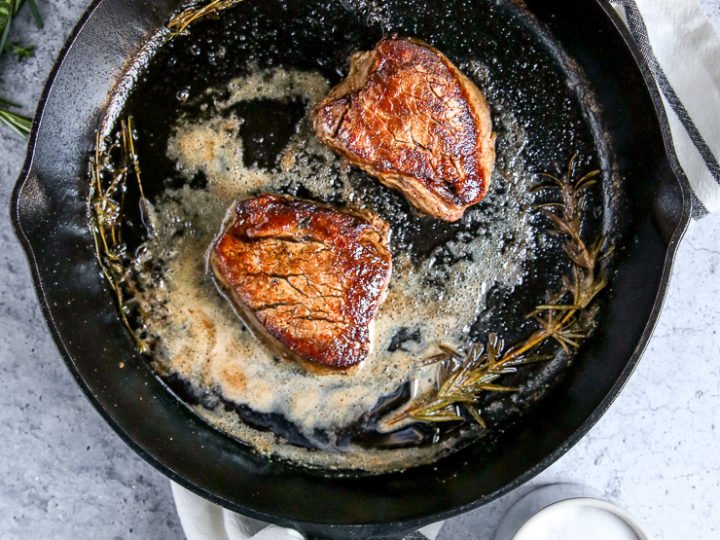
Proper skillet preparation is the foundation for excellent cornbread. Start by preheating your oven with the empty skillet inside. This step ensures the pan is hot when you add the batter, which is key for that signature crust. Once the oven reaches the desired temperature, carefully remove the skillet and add a small amount of oil, butter, or bacon drippings. Swirl it around to coat the surface thoroughly.
Pour the batter into the hot, greased pan and listen for the satisfying sizzle. This immediate reaction helps set the edges and prevents sticking. Remember, a well-seasoned skillet will make release even easier and add a subtle depth of flavor.
Mixing Techniques for Moist, Tender Cornbread
The way you mix your batter can greatly affect the final texture. For a light and tender crumb, avoid overmixing. Combine the dry and wet ingredients just until incorporated; a few lumps are perfectly fine. Overworking the batter can lead to a dense, tough result.
Using buttermilk or a combination of milk and yogurt can add moisture and a slight tang, enhancing the flavor profile. For those who prefer a sweeter cornbread, a touch of honey or sugar can be added, but be careful not to overdo it, as too much sugar can cause excessive browning.
Ingredient Choices That Influence Texture
Selecting the right ingredients is just as important as technique. Here are some considerations to keep in mind:
- Cornmeal Type: Stone-ground cornmeal provides a rustic, hearty texture, while finely ground cornmeal yields a softer crumb. Choose based on your preference.
- Fat: Butter adds richness and flavor, while oil can make the crumb more tender. Some recipes use a combination for balance.
- Leavening: Baking powder and baking soda help the bread rise. Make sure your leaveners are fresh for the best lift.
- Add-ins: Chopped jalapeños, corn kernels, or shredded cheese can add moisture and texture, but don’t overload the batter.
Experimenting with ingredient ratios will help you discover your ideal version. Remember, the key is to keep the batter from becoming too wet or too dry.
Oven Temperatures and Baking Times
Baking at the right temperature is crucial for achieving the desired crust and crumb. Most recipes recommend a temperature between 400°F and 425°F (204°C to 218°C). This range allows the edges to crisp up while the center remains moist.
Bake until the top is golden and a toothpick inserted in the center comes out clean, usually 20–25 minutes. Avoid overbaking, as this can dry out the bread. Let the cornbread cool in the skillet for a few minutes before slicing to allow the crumb to set.
Maintaining Your Cast Iron for Consistent Results
Proper care of your skillet ensures reliable performance and longevity. After each use, clean your pan with hot water and a gentle brush—avoid soap and never soak it. Dry thoroughly and apply a thin layer of oil before storing to maintain the seasoning.
If you notice sticking or dull spots, it may be time to reseason your pan. For step-by-step guidance, refer to this resource on how to season cast iron like a pro. A well-cared-for skillet will reward you with consistently delicious cornbread and other baked goods for years to come.
Common Mistakes and How to Avoid Them
- Skipping the Preheat: Always preheat your skillet to ensure a crisp crust.
- Overmixing: Stir the batter gently to prevent toughness.
- Incorrect Fat Ratio: Too little fat can cause dryness, while too much may make the bread greasy.
- Neglecting Skillet Care: Poorly seasoned pans can lead to sticking and uneven baking.
By paying attention to these details, you’ll be able to troubleshoot and perfect your technique over time.
Serving and Storing Skillet Cornbread
Once baked, let your cornbread rest for a few minutes before slicing. This helps the crumb firm up and makes serving easier. Cornbread is best enjoyed warm, either on its own or with a pat of butter, honey, or your favorite spread.
To store leftovers, wrap tightly and keep at room temperature for up to two days, or refrigerate for longer freshness. Avoid leaving cornbread in the skillet overnight, as moisture can affect the seasoning and texture.
Frequently Asked Questions
How do I prevent my cornbread from sticking to the skillet?
Make sure your skillet is well-seasoned and preheated before adding the batter. Adding a generous layer of oil or butter before pouring in the batter also helps create a nonstick surface.
What’s the best way to reheat leftover cornbread?
For best results, reheat slices in a warm oven (around 300°F/150°C) for a few minutes. This helps restore the crust without drying out the crumb. Avoid microwaving, as it can make the bread rubbery.
Can I use gluten-free flour in skillet cornbread?
Yes, you can substitute gluten-free flour for all-purpose flour in most recipes. Be sure to use a blend designed for baking, and consider adding a bit more moisture if the batter seems dry.