 by
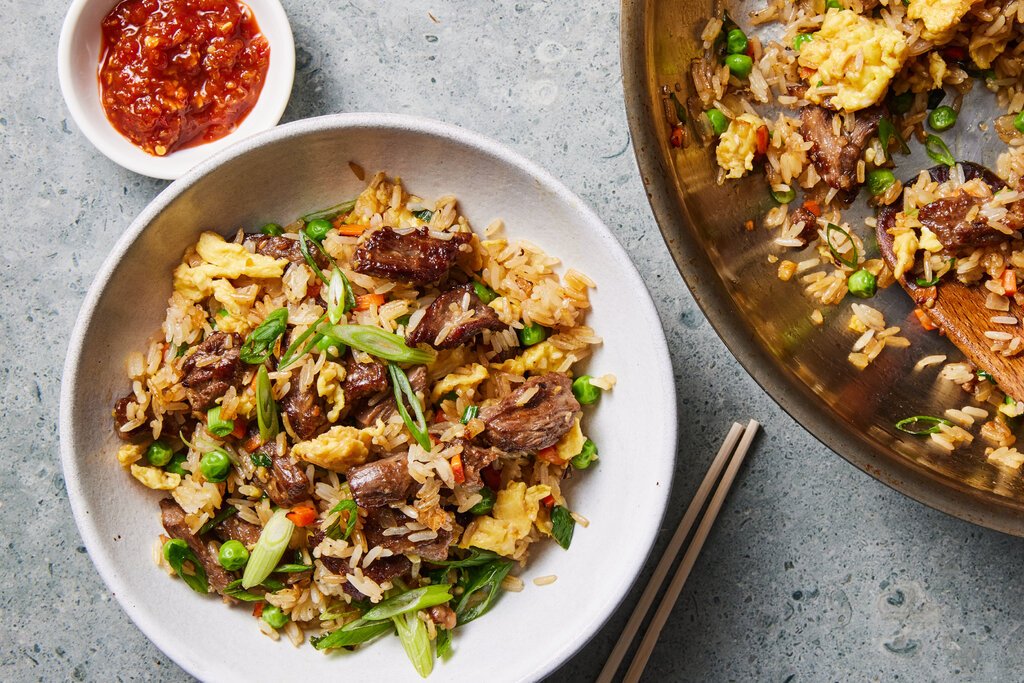
by Enjoying classic takeout dishes at home can be both delicious and better for your health, especially when you control the ingredients. A low sodium fried rice recipe is a smart choice for anyone looking to reduce salt intake without sacrificing flavor. By using fresh vegetables, lean proteins, and carefully selected sauces, you can create a satisfying meal that supports heart health and fits a variety of dietary needs.
In this article, you’ll find a practical approach to making a lighter version of this beloved dish. We’ll cover essential ingredients, step-by-step instructions, and useful tips for keeping sodium levels in check. If you’re interested in other healthy rice dishes, you might also enjoy exploring recipes like egg fried rice with a healthy twist.
Before diving into the cooking process, let’s look at why reducing sodium is important and how you can easily adapt your favorite fried rice to suit a heart-smart lifestyle.
Discover more healthy recipes on our main page
Why Choose a Heart-Healthy Fried Rice Alternative?
Traditional fried rice is often high in sodium due to soy sauce, oyster sauce, and other condiments. High sodium intake is linked to increased blood pressure and a higher risk of cardiovascular disease. By preparing a low sodium fried rice recipe at home, you gain control over every ingredient, making it easier to manage your daily salt consumption.
This approach is not only beneficial for those with specific health concerns but also for anyone seeking a balanced diet. Using whole grains, plenty of vegetables, and lean proteins can further boost the nutritional value of your homemade meal.
Essential Ingredients for Low Salt Fried Rice
Creating a flavorful, lower-sodium version starts with a few key swaps and additions. Here’s what you’ll need:
- Cooked brown or white rice (preferably day-old for best texture)
- Eggs (optional for added protein and texture)
- Fresh vegetables such as carrots, peas, bell peppers, and green onions
- Lean protein like chicken breast, shrimp, tofu, or edamame
- Low sodium soy sauce or coconut aminos
- Garlic and ginger for aromatic flavor
- Sesame oil (use sparingly for taste)
- Black pepper and a squeeze of lemon or lime for brightness
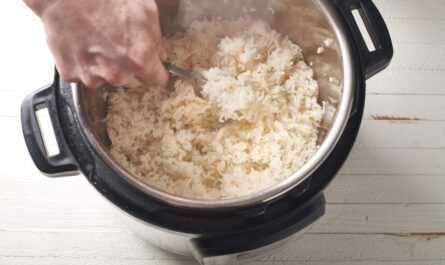
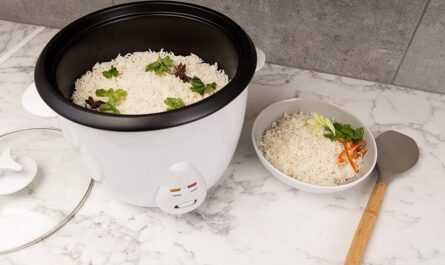
For best results, use a nonstick skillet or wok and a reliable rice cooker, such as the Zojirushi rice cooker, to prepare your rice in advance.
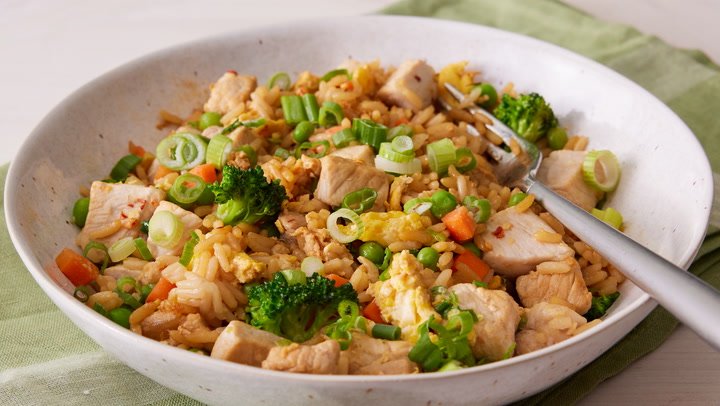
Step-by-Step Guide to Making Lower Sodium Fried Rice
Follow these instructions to prepare a tasty, heart-friendly rice dish at home:
- Prepare the rice: Use rice that has been cooked and cooled, ideally overnight. This helps prevent clumping and ensures a better stir-fry texture.
- Chop your vegetables and protein: Dice carrots, bell peppers, and any other vegetables you like. Cut your protein into bite-sized pieces.
- Heat your skillet or wok: Add a small amount of sesame oil and heat over medium-high. Add garlic and ginger, sautéing until fragrant.
- Add vegetables and protein: Stir-fry your protein first if it needs cooking, then add vegetables. Cook until just tender.
- Push ingredients to the side: If using eggs, scramble them in the empty space until just set, then mix everything together.
- Add rice: Break up any clumps and stir into the pan. Continue to cook, stirring frequently.
- Season: Pour in low sodium soy sauce or coconut aminos. Use just enough to coat the rice lightly. Add black pepper and a squeeze of citrus.
- Finish and serve: Taste and adjust seasoning if needed. Garnish with chopped green onions or sesame seeds.
For extra flavor, consider adding a dash of rice vinegar or a sprinkle of chili flakes. Remember, the key to a heart-healthy fried rice is moderation with sauces and salt.
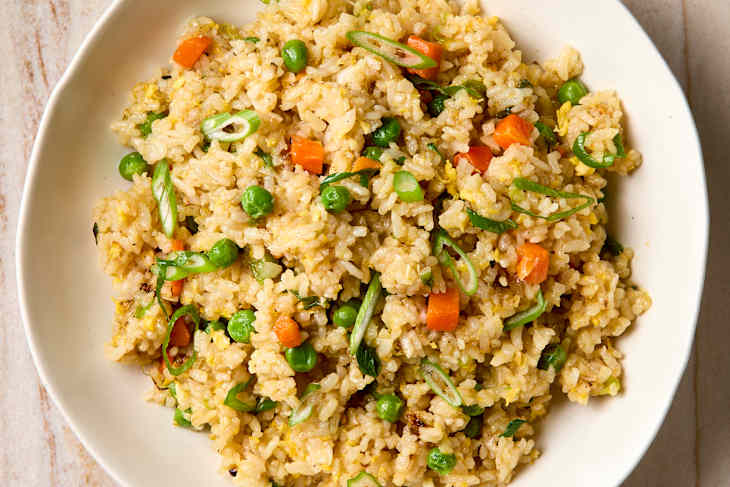
Tips for Maximizing Flavor While Keeping Sodium Low
Making a low sodium fried rice recipe doesn’t mean you have to compromise on taste. Here are some helpful strategies:
- Use aromatics generously: Garlic, ginger, and green onions add depth without extra salt.
- Choose naturally low sodium sauces: Coconut aminos or homemade blends can replace traditional soy sauce.
- Boost umami with mushrooms: Sautéed mushrooms provide a savory, meaty flavor.
- Add acidity: A splash of rice vinegar or citrus brightens the dish and balances flavors.
- Experiment with herbs and spices: Try cilantro, basil, or chili flakes for extra interest.
Remember, the freshest ingredients and careful seasoning are your best tools for a delicious, lower-salt meal.
Frequently Asked Questions
Can I use cauliflower rice for a lower-carb version?
Yes, cauliflower rice is a great substitute if you’re looking to reduce both carbs and sodium. Simply pulse cauliflower florets in a food processor until rice-sized, then stir-fry as you would with regular rice. Adjust cooking time as it cooks faster than grains.
What protein options work best for heart-healthy fried rice?
Lean proteins like chicken breast, shrimp, tofu, or even edamame are excellent choices. These options are low in saturated fat and can be cooked quickly alongside your vegetables for a balanced meal.
How can I make this dish gluten-free?
To keep your fried rice gluten-free, use tamari or coconut aminos instead of regular soy sauce. Always check labels to ensure your sauces and other ingredients are certified gluten-free.
Conclusion: Enjoying Fried Rice with Less Salt
Preparing your own low sodium fried rice recipe at home is a practical way to enjoy a classic dish while supporting your heart health. By focusing on fresh produce, lean proteins, and mindful seasoning, you can create a meal that’s both satisfying and nutritious. Don’t hesitate to experiment with different vegetables and seasonings to keep your meals interesting and aligned with your dietary needs.
For more inspiration on healthy rice dishes, check out resources like egg fried rice with a healthy twist. Enjoy your cooking and the benefits of a heart-smart kitchen!