 by
by Understanding the cast iron smoke point guide is essential for anyone looking to elevate their cooking skills with cast iron cookware. Whether you’re searing steaks, frying eggs, or preparing vegetables, knowing the right oil to use and how your pan behaves at high temperatures can make a significant difference in both flavor and safety. Cast iron is celebrated for its durability and heat retention, but it also requires a bit of know-how to get the best results—especially when it comes to smoke points and seasoning.
Before diving into the specifics of oil choices and temperature management, it’s important to note that the smoke point of an oil is the temperature at which it begins to smoke and break down. Cooking past this point can not only impart unpleasant flavors but may also release harmful compounds. For cast iron users, this means selecting oils that match your intended cooking method and understanding how to care for your pan to maintain its nonstick surface.
If you’re new to cast iron or looking to refresh your skills, learning how to season or re-season your skillet is a great starting point. For a step-by-step approach, check out this comprehensive guide to seasoning cast iron.
Why Smoke Point Matters in Cast Iron Cooking
The concept of smoke point is particularly relevant when using cast iron because these pans are often used for high-heat techniques like searing and frying. Oils with a low smoke point can burn quickly, leaving behind residue that’s tough to clean and can damage the seasoning layer you’ve worked hard to build. On the other hand, oils with a high smoke point allow you to cook at higher temperatures without worry, making them ideal for most cast iron applications.
Here’s why understanding smoke points is crucial:
- Flavor Preservation: Overheated oils can impart bitter or burnt flavors to your food.
- Pan Longevity: Burning oil can degrade the seasoning on your cast iron, leading to sticking and rust.
- Health Considerations: Cooking oils past their smoke point can release free radicals and acrolein, a compound that irritates eyes and throat.
Choosing the Right Oil for Your Cast Iron Skillet
Not all oils are created equal when it comes to cast iron. The best oils for seasoning and cooking are those with a high smoke point and a neutral flavor. Here’s a quick reference table to help you decide:
| Oil Type | Approximate Smoke Point (°F) | Best Use |
|---|---|---|
| Avocado Oil | 520 | Searing, frying, seasoning |
| Refined Grapeseed Oil | 420 | General cooking, seasoning |
| Canola Oil | 400 | Frying, sautéing |
| Vegetable Oil | 400 | All-purpose |
| Extra Virgin Olive Oil | 375 | Low to medium heat cooking |
| Butter | 300 | Finishing, low heat |
For high-heat applications, stick with oils like avocado or grapeseed. For seasoning your pan, choose an oil that polymerizes well (forms a hard, protective layer) and has a high smoke point. Avoid using butter or unrefined oils for seasoning, as they can burn and leave sticky residues.

How to Season and Maintain Your Cast Iron Pan
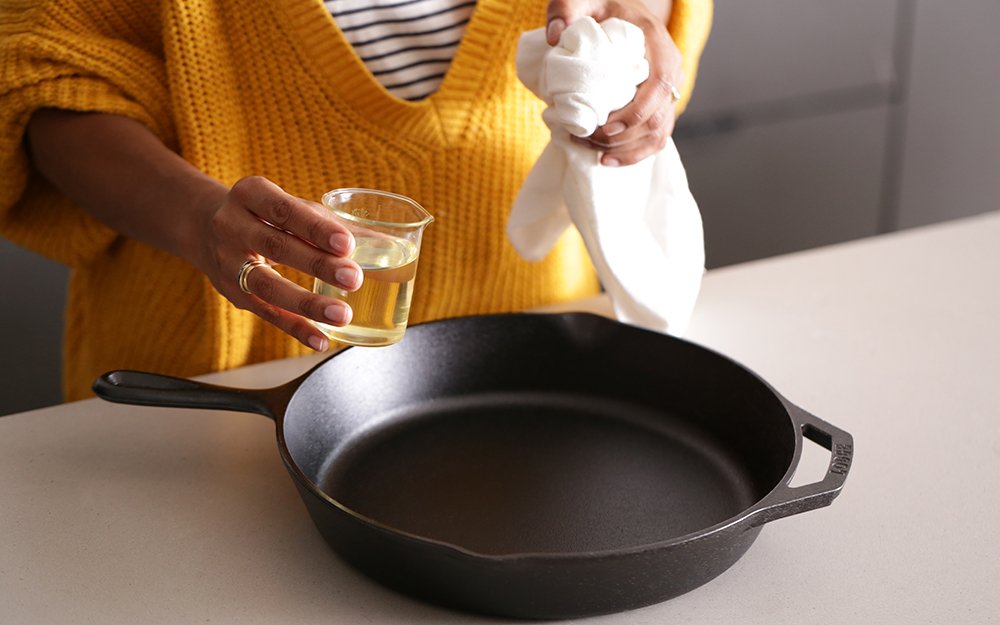
Proper seasoning is the foundation of cast iron care. Seasoning creates a natural, nonstick surface and protects your pan from rust. Here’s a step-by-step approach:
- Preheat your oven to 450°F (232°C).
- Wash the skillet with mild soap and dry thoroughly.
- Apply a thin layer of high smoke point oil (like grapeseed or avocado) to the entire surface, including the handle and bottom.
- Place the pan upside down in the oven with a baking sheet or foil underneath to catch drips.
- Bake for 1 hour, then turn off the oven and let the pan cool inside.
Repeat this process as needed to build up a strong seasoning layer. Avoid cooking acidic foods (like tomatoes) in a newly seasoned pan, as they can strip away the protective coating.
Managing Heat: Tips for Avoiding the Smoke Point
Even with the right oil, it’s important to monitor your cooking temperature. Here are some practical tips to help you stay below the smoke point and get the best results from your cast iron:
- Preheat Gradually: Allow your pan to heat up slowly over medium heat. This helps distribute heat evenly and prevents hot spots.
- Add Oil After Preheating: Once the pan is warm, add your oil. Watch for shimmering (not smoking) as a sign it’s ready for food.
- Ventilate Your Kitchen: Good airflow helps disperse any smoke if you accidentally overheat your oil.
- Use a Thermometer: For precision, use an infrared thermometer to check the surface temperature of your pan.
By following these steps, you’ll avoid burning oil and maintain the integrity of your pan’s seasoning.
Common Mistakes When Using Cast Iron and How to Avoid Them
Even experienced cooks can run into trouble with cast iron. Here are some frequent pitfalls and how to steer clear of them:
- Overheating the Pan: Cranking up the heat too quickly can cause oil to smoke and seasoning to degrade. Always heat gradually.
- Using the Wrong Oil: Low smoke point oils like butter or unrefined olive oil can burn easily. Stick to high smoke point options for most tasks.
- Neglecting Seasoning: Skipping regular seasoning leads to sticking and rust. Maintain your pan with periodic oiling and baking.
- Improper Cleaning: Avoid soaking your pan or using harsh detergents. Clean with hot water and a brush, then dry and oil lightly.
FAQ: Cast Iron Smoke Points and Cooking Tips
What is the best oil for seasoning a cast iron skillet?
The best oils for seasoning are those with a high smoke point and neutral flavor, such as grapeseed, canola, or avocado oil. These oils polymerize well, creating a durable, nonstick surface.
Can I use olive oil in my cast iron pan?
Extra virgin olive oil has a lower smoke point, making it less ideal for high-heat cooking in cast iron. However, it can be used for low to medium heat applications. For searing or frying, choose an oil with a higher smoke point.
How do I know if I’ve exceeded the smoke point?
If you see bluish smoke rising from the pan or notice a sharp, acrid smell, you’ve likely gone past the smoke point. Remove the pan from heat, let it cool, and wipe away any burnt oil before continuing.
How often should I season my cast iron skillet?
It depends on usage, but a light seasoning after each use helps maintain the nonstick surface. If you notice food sticking or dull spots, a more thorough oven seasoning may be needed.
Is it safe to cook acidic foods in cast iron?
Once your pan is well-seasoned, occasional cooking of acidic foods is fine. However, frequent exposure can erode the seasoning, so it’s best to limit acidic dishes or use enameled cast iron for those recipes.
Mastering the cast iron smoke point guide will help you cook with confidence, protect your cookware, and enjoy better-tasting meals. With the right oil, proper seasoning, and careful temperature control, your cast iron skillet can last for generations and deliver outstanding results every time you cook.