 by
by Cooking with cast iron offers versatility and durability that few other materials can match. Whether you’re searing steaks, baking cornbread, or simmering stews, understanding the right temperature ranges is essential for achieving the best results and protecting your cookware. A reliable cast iron cooking temperature chart helps you match your recipe’s needs to the correct heat level, ensuring both delicious food and a long-lasting pan.
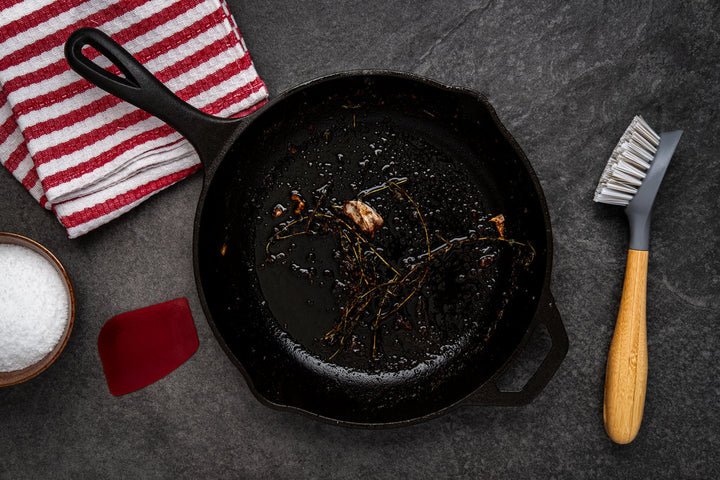
Many home cooks are unsure about the ideal temperatures for different cooking methods on cast iron. Using the wrong heat can lead to sticking, burning, or even damaging the seasoning. This guide provides a comprehensive overview of temperature ranges, tips for monitoring heat, and best practices for maintaining your skillet. For those interested in proper care and seasoning, you can find detailed instructions in this expert guide to cleaning and seasoning cast iron skillets.
Why Temperature Matters in Cast Iron Cooking
Cast iron is known for its ability to retain and distribute heat evenly. However, it takes longer to heat up and cool down compared to other materials. This means that once it reaches a certain temperature, it stays there, making it crucial to use the right heat level for your dish. Cooking at the correct temperature helps prevent food from sticking, preserves the seasoning, and ensures even cooking.
Unlike nonstick or stainless steel pans, cast iron can handle higher temperatures, but it’s still important to avoid overheating. Excessive heat can strip the seasoning or cause warping. Using a temperature chart as a reference helps you avoid these issues and cook with confidence.
Understanding the Cast Iron Cooking Temperature Chart
A cast iron cooking temperature chart typically breaks down heat into four main categories: low, medium-low, medium, and high. Each range is suitable for different types of cooking, from gentle simmering to intense searing. Here’s a practical breakdown of these ranges:
| Heat Level | Temperature Range (°F) | Best For |
|---|---|---|
| Low | 200–250 | Simmering, slow-cooking, melting butter |
| Medium-Low | 250–320 | Eggs, pancakes, warming food |
| Medium | 320–375 | Sauteing, baking, frying |
| High | 400–450 | Searing, blackening, oven roasting |
These ranges are approximate and can vary depending on your stove and pan size. Always allow your skillet to preheat for several minutes, and test the surface temperature if possible.
How to Gauge Temperature Without a Thermometer
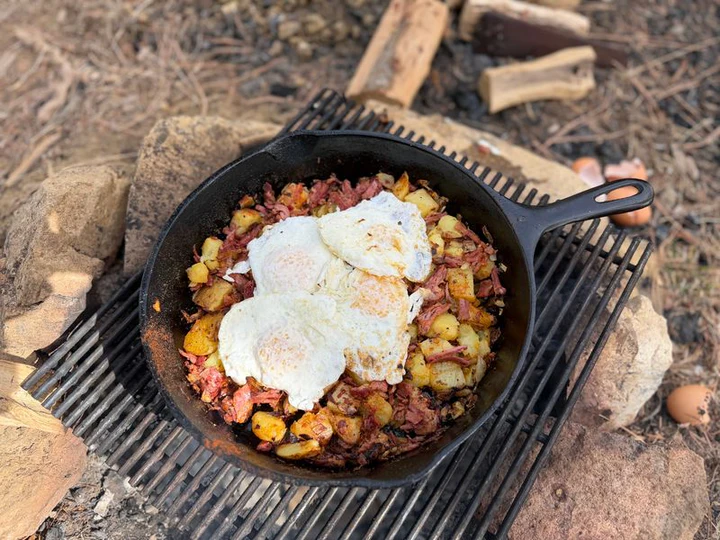
Not everyone has an infrared thermometer on hand. Fortunately, there are simple ways to estimate the heat of your cast iron pan:
- Water Drop Test: Flick a few drops of water onto the surface. If they sizzle and evaporate slowly, the pan is at low to medium heat. If they dance and evaporate quickly, it’s at medium-high to high heat.
- Hand Hover Test: Hold your hand a few inches above the surface. If you can keep it there for 4–5 seconds, it’s low. Two to three seconds indicates medium, and less than two seconds means high heat.
- Oil Shimmer: Add a small amount of oil. When it begins to shimmer and move easily, the pan is ready for sautéing or frying.
These methods are not as precise as a thermometer, but they’re effective for everyday cooking. With practice, you’ll develop a feel for the right heat levels.
Common Cooking Techniques and Their Ideal Temperatures
Different recipes call for different heat settings. Here’s how to match your cooking method to the right temperature range:
- Searing: For steak or chops, preheat your skillet to 400–450°F. The surface should be very hot so that meat sizzles immediately when added.
- Baking: When making cornbread or biscuits, preheat the oven and the pan to 375–425°F. Pour batter into the hot pan for a crisp crust.
- Frying: For shallow frying, aim for 350–375°F. Use a thermometer to monitor oil temperature for best results.
- Simmering: Keep the heat low (200–250°F) for stews or braises to avoid scorching and maintain tenderness.
- Eggs and Pancakes: Use medium-low heat (250–320°F) to prevent sticking and ensure even cooking.
Tips for Maintaining Your Cast Iron at the Right Temperature
Maintaining proper heat is not just about cooking—it’s also about caring for your cookware. Here are some practical tips:
- Preheat Gradually: Always allow your pan to heat slowly. Sudden temperature changes can cause warping or damage the seasoning.
- Monitor Heat: Adjust your burner as needed. Cast iron retains heat well, so you may need to lower the flame after preheating.
- Don’t Overcrowd: Adding too much food at once can drop the temperature and cause uneven cooking. Cook in batches if necessary.
- Let It Cool Naturally: Avoid running cold water over a hot pan, as this can cause cracking or warping.
Using Cast Iron on Different Heat Sources
Cast iron is compatible with a variety of heat sources, including gas, electric, induction, and even campfires. Each source may require slight adjustments:
- Gas: Heats quickly and allows for precise control. Rotate the pan occasionally for even heating.
- Electric: Takes longer to respond to temperature changes. Preheat the pan thoroughly before adding food.
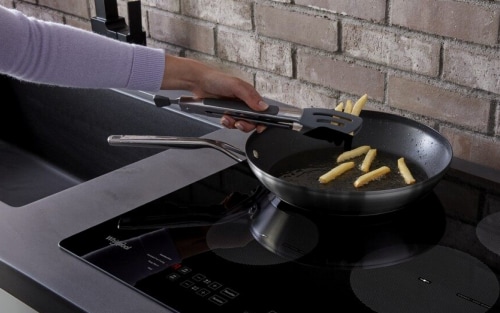
- Induction: Heats cast iron efficiently, but be cautious with high settings to avoid overheating.
- Oven: Perfect for baking and roasting. Always preheat both the oven and the pan.
Frequently Asked Questions
How do I know if my cast iron skillet is too hot?
If oil smokes heavily or food burns quickly, the pan is likely overheated. Reduce the heat and allow it to cool slightly before continuing. Using the water drop test can help you gauge if the surface is at the right temperature for your recipe.
Can I use cast iron on an induction cooktop?
Yes, cast iron works very well on induction cooktops. It heats quickly and evenly, but be careful not to use the highest settings, as this can cause the pan to get too hot and damage the seasoning.
What temperature should I use for baking in cast iron?
For most baking recipes, preheat your oven and skillet to 375–425°F. This range is ideal for cornbread, biscuits, and other baked goods, ensuring a crisp crust and even cooking.
How do I prevent food from sticking to my cast iron pan?
Make sure your skillet is well-seasoned and preheated before adding food. Using the correct temperature for your recipe and adding a small amount of oil can also help prevent sticking.
Conclusion
Having a reliable cast iron cooking temperature chart as a reference can make all the difference in your kitchen. By understanding the best heat ranges for different techniques, you’ll enjoy better results and extend the life of your cookware. Remember to preheat gradually, monitor your pan, and adjust as needed for your specific stove or oven. With these tips and the chart above, you’ll be able to cook confidently and enjoy the many benefits of cast iron for years to come.