 by
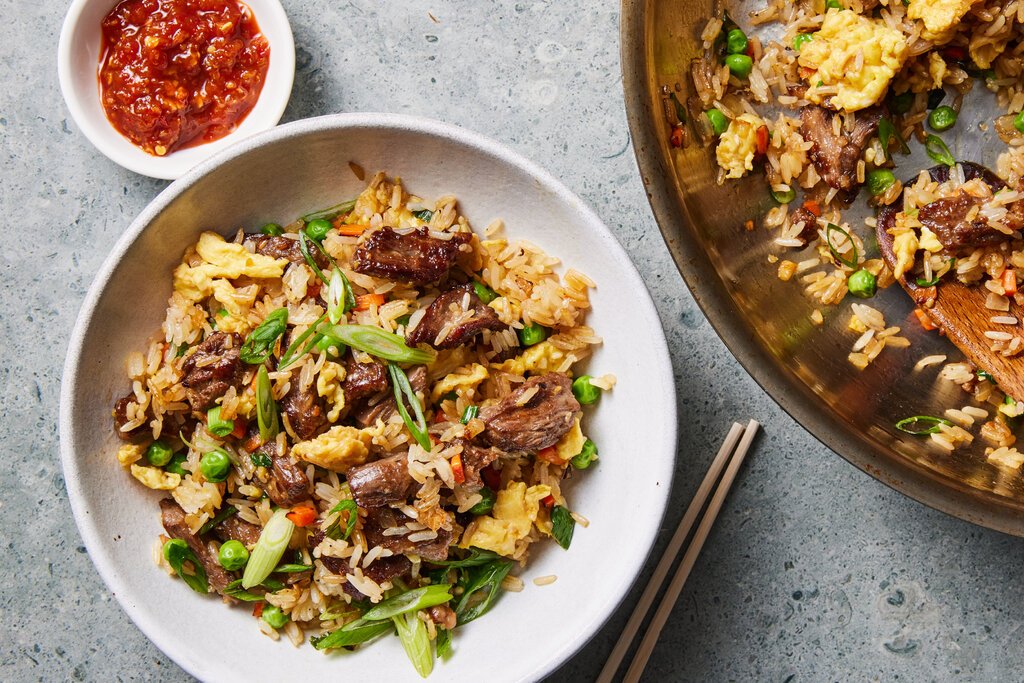
by If you enjoy fried rice but crave a unique, chewy texture, making it with sticky rice is a rewarding twist. This approach delivers a satisfying bite and a subtle sweetness that sets it apart from classic versions. Whether you’re a fan of Asian comfort food or just looking to try something new, this guide will walk you through every step for achieving the perfect sticky rice fried rice at home.
Before diving into the details, it’s helpful to understand what makes sticky rice different. Also known as glutinous rice, this grain is prized for its signature chew and ability to hold together, making it ideal for stir-frying. If you’re familiar with traditional fried rice methods, you’ll notice a few key differences in preparation and technique.
For those interested in exploring more variations, you might find inspiration from this traditional egg fried rice recipe that highlights classic techniques and flavors.
What Makes Sticky Rice Fried Rice Unique?
The standout feature of this dish is its texture. Unlike jasmine or long-grain rice, sticky rice (sometimes called sweet rice) clumps together, creating a pleasantly chewy base for your stir-fry. This makes it especially popular in Southeast Asian and Southern Chinese cuisines, where the rice is often steamed before being tossed with savory ingredients.
Using sticky rice in a fried rice dish results in a heartier, more substantial bite. The grains absorb sauces and seasonings beautifully, ensuring every mouthful is packed with flavor. If you’re aiming for a dish that’s both comforting and a little different from the norm, this is a great option.
Ingredients for Chewy Fried Rice with Sticky Rice
To make this dish at home, you’ll need a few essentials. Here’s a basic list to get you started, but feel free to adjust based on your preferences or what you have on hand:
- 2 cups cooked sticky (glutinous) rice, cooled
- 2 eggs, lightly beaten
- 1/2 cup diced carrots
- 1/2 cup chopped scallions
- 1/2 cup cooked protein (chicken, shrimp, tofu, or pork)
- 2–3 tablespoons soy sauce
- 1 tablespoon oyster sauce (optional)
- 2 cloves garlic, minced
- 2 tablespoons vegetable oil or sesame oil
- Salt and pepper to taste
For best results, use rice that’s been cooked and cooled for several hours or overnight. This helps the grains firm up, making them easier to stir-fry without becoming mushy.

Step-by-Step Guide to Making Chewy Fried Rice
Preparing this dish is straightforward, but a few tips will help you achieve the best results. Here’s a simple process to follow:
- Prepare the sticky rice: If you haven’t already, cook your glutinous rice according to package instructions. A rice cooker can make this process easier and more consistent. Once cooked, spread the rice out on a tray to cool and dry slightly.
- Heat your skillet or wok: Use a well-seasoned skillet or wok over medium-high heat. Add the oil and swirl to coat the surface.
- Cook the aromatics: Add garlic and carrots, stir-frying for about a minute until fragrant and slightly softened.
- Scramble the eggs: Push the vegetables to one side and pour in the beaten eggs. Let them set briefly, then scramble and mix with the vegetables.
- Add the protein: Stir in your choice of cooked protein, heating through.
- Add the sticky rice: Break up any clumps and add the cooled rice to the pan. Stir-fry, pressing gently to separate the grains while keeping the chewy texture.
- Season and finish: Pour in the soy sauce and oyster sauce, tossing to coat evenly. Add scallions, season with salt and pepper, and stir-fry for another minute.
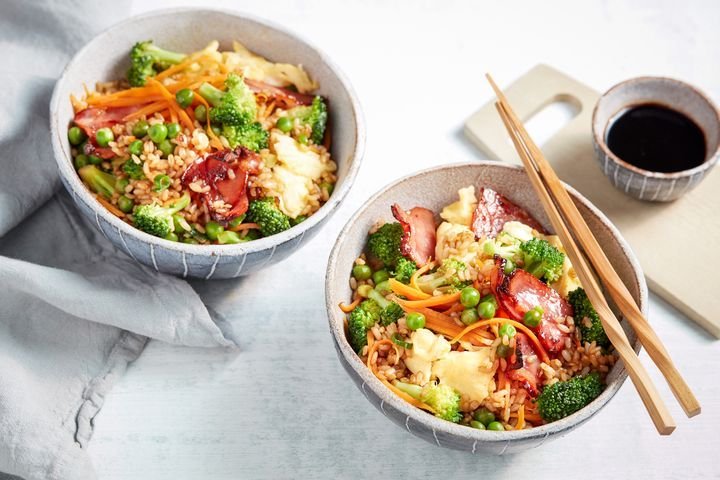
- Serve hot: Transfer to a serving dish and enjoy immediately.
Tips for the Best Sticky Rice Stir-Fry
Achieving the ideal chewy texture and balanced flavor takes a little practice. Here are some helpful pointers:
- Use day-old rice: Freshly cooked sticky rice can be too moist. Allowing it to cool and dry out in the fridge helps prevent clumping.
- Don’t overcrowd the pan: Stir-frying in batches ensures even cooking and helps the rice fry rather than steam.
- Customize your add-ins: Try adding peas, bell peppers, or mushrooms for extra color and nutrition.
- Adjust seasoning to taste: Sticky rice absorbs sauces well, so start with less and add more as needed.
- Serve immediately: The chewy texture is best enjoyed hot from the pan.
Variations and Serving Suggestions
This method is flexible, allowing you to adapt the recipe to your taste or dietary needs. Here are a few ideas:
- Vegetarian option: Skip the meat and add extra vegetables or tofu.
- Spicy kick: Stir in chili oil or diced fresh chilies for heat.
- Sweet-savory twist: Try adding pineapple chunks or a splash of hoisin sauce.
- Garnish: Top with toasted sesame seeds or chopped cilantro for extra flavor and color.
Frequently Asked Questions
Can I use regular rice instead of sticky rice?
While you can use other types of rice, glutinous rice is essential for achieving the signature chewy texture. Long-grain or jasmine rice will result in a drier, fluffier fried rice.
How do I prevent the rice from sticking too much?
Make sure the rice is cooled and slightly dried before stir-frying. Using a nonstick skillet or a well-seasoned wok, along with enough oil, helps keep the grains separate while still maintaining chewiness.
Is sticky rice gluten-free?
Yes, glutinous rice is naturally gluten-free despite its name. However, always check the labels on sauces and add-ins to ensure the entire dish is safe for gluten-sensitive diets.
What’s the best way to store leftovers?
Store any remaining fried rice in an airtight container in the refrigerator for up to 2 days. Reheat in a skillet over medium heat, adding a splash of water if needed to restore moisture.
With these tips and techniques, you can enjoy a delicious, chewy rice stir-fry at home. Experiment with different proteins and vegetables to make it your own, and savor the unique texture that only sticky rice can provide.