 by
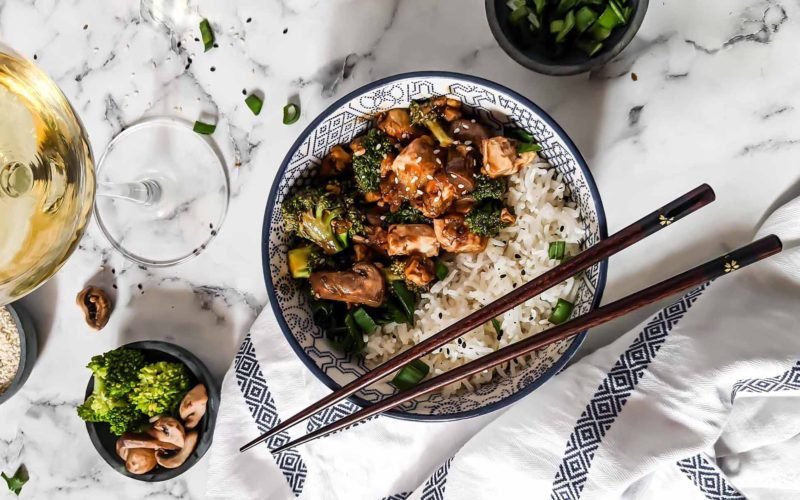
by Few dishes capture the comforting flavors of Asian home cooking quite like a bowl of fried rice with soy sauce and sesame recipe elements. This timeless favorite is known for its savory aroma, satisfying texture, and versatility. Whether you’re looking to use up leftover rice or craving a quick, flavorful meal, this guide will walk you through everything you need to know to master this classic dish at home.
In the following sections, you’ll discover essential ingredients, step-by-step instructions, and expert tips for achieving the perfect balance of umami and nuttiness. We’ll also highlight the best tools and techniques to elevate your cooking experience. For more inspiration and variations, you can explore this comprehensive fried rice recipe resource from The Kitchn.
If you’re eager to try this at home, continue reading for a detailed breakdown of ingredients, preparation tips, and answers to common questions about making this beloved rice dish.
Learn more about creative fried rice variations and expert tips.
Essential Ingredients for Soy Sauce and Sesame Fried Rice
The foundation of any great fried rice is a thoughtful selection of ingredients. Here’s what you’ll need to create a flavorful and authentic version:
- Cooked Rice (preferably day-old, cold rice for best texture)
- Soy Sauce (regular or low-sodium, depending on your preference)
- Sesame Oil (toasted for a deep, nutty aroma)
- Vegetable Oil (such as canola or peanut, for high-heat frying)
- Eggs (optional, for added protein and richness)
- Vegetables (such as peas, carrots, scallions, bell peppers, or corn)
- Garlic and Ginger (finely minced, for aromatic depth)
- Protein (optional: chicken, shrimp, tofu, or pork)
- Salt and Pepper (to taste)
- Sesame Seeds (for garnish and extra crunch)
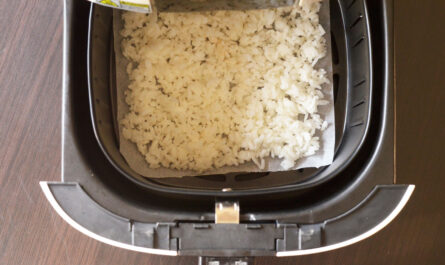
Using day-old rice is key. Freshly cooked rice tends to be too moist and sticky, making it difficult to achieve the signature separated grains. If you don’t have leftover rice, you can spread freshly cooked rice on a tray and chill it in the refrigerator for at least an hour.
Step-by-Step Guide to Making Classic Soy and Sesame Fried Rice
Preparing this savory rice dish at home is straightforward. Follow these steps for a result that’s fragrant, flavorful, and satisfying:
- Prep Your Ingredients: Dice vegetables, mince garlic and ginger, and beat the eggs if using. Have all ingredients ready before you start cooking, as the process moves quickly.
- Heat the Pan: Use a large, heavy-bottomed skillet or wok over medium-high heat. Add vegetable oil and swirl to coat the surface.
- Cook the Eggs: Pour in beaten eggs and scramble until just set. Remove from the pan and set aside.
- Sauté Aromatics: Add a bit more oil, then stir-fry garlic and ginger until fragrant, about 30 seconds.
- Add Vegetables and Protein: Stir-fry vegetables and any proteins until cooked through and slightly caramelized.
- Stir in Rice: Add the cold rice, breaking up any clumps with a spatula. Stir-fry until the rice is heated through and starting to crisp.
- Season: Drizzle in soy sauce and toasted sesame oil, tossing well to coat every grain. Return the scrambled eggs to the pan and mix thoroughly.
- Finish and Garnish: Taste and adjust seasoning with salt and pepper. Garnish with sliced scallions and a sprinkle of sesame seeds before serving.
For best results, avoid overcrowding the pan. If making a large batch, cook in batches to ensure even browning and prevent steaming.
Tips for Perfect Fried Rice Every Time
Achieving restaurant-quality texture and flavor at home is possible with a few practical tips:
- Use cold, dry rice to prevent clumping and achieve that signature separated grain texture.
- High heat is essential for quick cooking and a slightly smoky, “wok hei” flavor.
- Don’t overdo the soy sauce; add gradually and taste as you go to avoid overpowering the dish.
- Toasted sesame oil should be added at the end for maximum aroma and flavor.
- Customize with your favorite add-ins like kimchi, pineapple, or chili flakes for a personal touch.
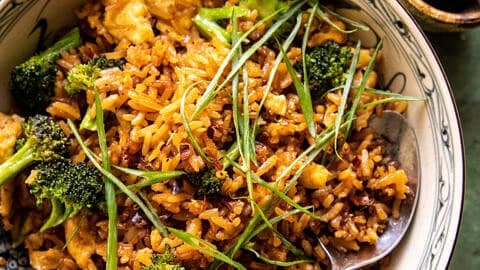
Variations and Serving Suggestions
One of the best things about this savory rice dish is its adaptability. Here are a few ways to make it your own:
- Add protein: Try diced chicken, shrimp, tofu, or pork for a heartier meal.
- Vegetarian twist: Load up on mushrooms, edamame, or bok choy for a plant-based version.
- Spicy kick: Stir in chili oil, sriracha, or fresh chopped chilies for extra heat.
- Sweet and savory: Pineapple chunks or a splash of hoisin sauce can add a unique flavor profile.
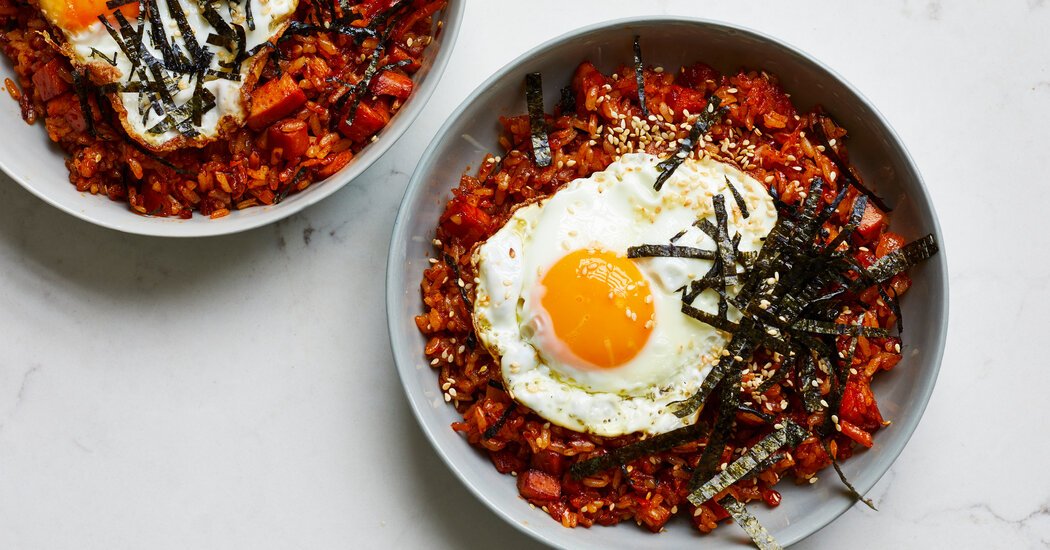
- Top with a fried egg: For a Korean-inspired touch, serve with a sunny-side-up egg on top.
Serve your homemade rice hot, straight from the pan, as a main course or a side. It pairs well with grilled meats, stir-fried vegetables, or even as a stand-alone meal.
Frequently Asked Questions
Can I use freshly cooked rice instead of leftover rice?
While it’s possible, freshly cooked rice tends to be too moist and sticky for stir-frying. For best results, use rice that’s been cooked and cooled, ideally overnight. If you’re short on time, spread hot rice on a baking sheet and refrigerate for at least an hour to dry it out.
What’s the best type of soy sauce for this dish?
Both regular and low-sodium soy sauce work well. For a deeper, more complex flavor, you can try a combination of light and dark soy sauce. Tamari is a good gluten-free alternative.
How do I prevent my fried rice from turning mushy?
The key is to use cold, dry rice and cook over high heat. Avoid adding too much liquid seasoning at once, and stir-fry in batches if necessary to keep the pan hot and prevent steaming.
Can I make this recipe vegan?
Absolutely! Simply omit the eggs and use plant-based protein options like tofu or tempeh. Double-check that your soy sauce is vegan-friendly.
How should I store leftovers?
Allow the rice to cool completely, then store in an airtight container in the refrigerator for up to three days. Reheat in a skillet or microwave, adding a splash of water if needed to restore moisture.