 by
by If you’re looking for a hearty, flavorful way to start your morning, a cast iron breakfast hash recipe is a classic choice. This dish brings together crispy potatoes, savory vegetables, and your favorite protein, all cooked to perfection in a well-seasoned skillet. The result is a satisfying meal that’s easy to customize and perfect for sharing with family or friends.
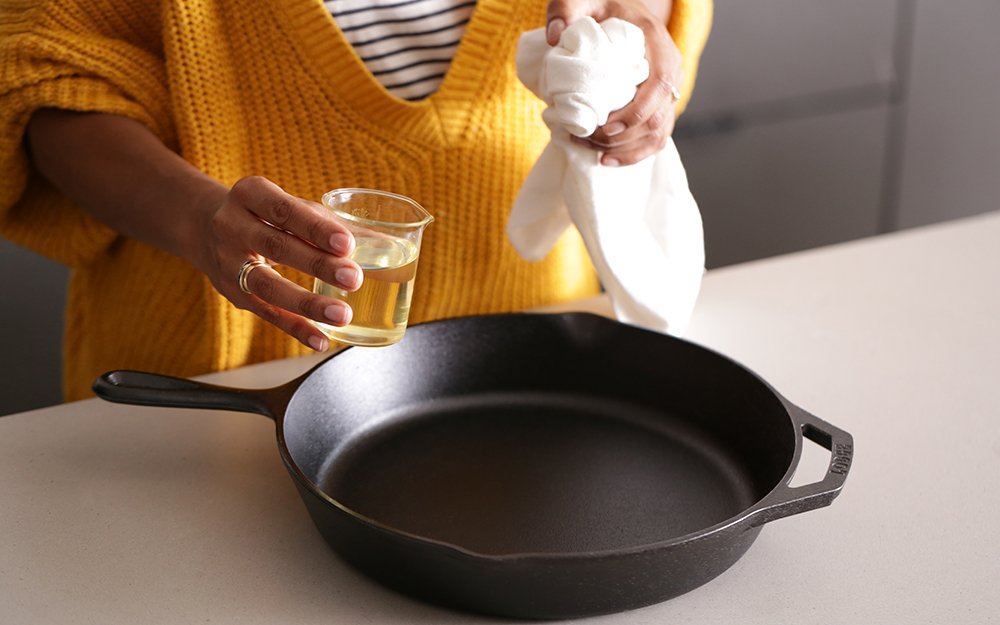
Cooking with cast iron not only delivers unbeatable flavor and texture, but it also offers even heat distribution and a rustic presentation. Whether you’re new to using cast iron or a seasoned pro, this guide will walk you through every step, from prepping your ingredients to serving up a golden, crispy hash. For those interested in maintaining their cookware, you can find tips on how to season or re-season a cast iron skillet to keep it in top shape.
Why Make Breakfast Hash in Cast Iron?
There are several reasons why a cast iron breakfast hash recipe stands out from other breakfast options. Cast iron skillets retain and distribute heat evenly, ensuring that every bite of your hash is perfectly cooked. The naturally nonstick surface, when properly seasoned, allows for easy flipping and stirring without sticking or burning. Plus, the skillet’s ability to go from stovetop to oven makes it ideal for finishing your hash with a broiled egg or melted cheese.
Another advantage is the versatility of ingredients. You can use up leftover vegetables, meats, or even grains, making this dish both practical and delicious. The crispy edges and soft centers that cast iron delivers are hard to replicate with other cookware.
Essential Ingredients for a Hearty Skillet Hash
While there are countless variations, a traditional breakfast hash typically includes:
- Potatoes – Yukon gold, russet, or red potatoes work well. Dice them into small, even cubes for the best texture.
- Onions and Peppers – These aromatics add sweetness and depth. Bell peppers, poblano, or even jalapeño can be used for a kick.
- Protein – Sausage, bacon, ham, or even leftover steak are popular choices. For a vegetarian option, try black beans or tofu.
- Eggs – Optional, but highly recommended. Crack them directly into the skillet for a one-pan meal.
- Seasonings – Salt, pepper, smoked paprika, garlic powder, and fresh herbs like parsley or chives add flavor and color.
Feel free to get creative with add-ins like spinach, mushrooms, or cheese. The beauty of a skillet hash is its adaptability to what you have on hand.

Step-by-Step: How to Make a Classic Skillet Hash
Follow these steps for a foolproof breakfast hash that’s crispy, flavorful, and satisfying:
- Prep Your Ingredients: Dice potatoes, chop onions and peppers, and prepare your protein. Having everything ready before you start cooking makes the process smoother.
- Preheat the Skillet: Place your cast iron skillet over medium heat. Add a tablespoon of oil (vegetable, canola, or avocado oil work well) and let it get hot.
- Cook the Protein: If using bacon or sausage, cook it first until browned and crispy. Remove and set aside, leaving the rendered fat in the pan for extra flavor.
- Sauté Vegetables: Add onions and peppers to the skillet. Cook for 3–4 minutes until softened. Stir in garlic or other aromatics if desired.
- Add Potatoes: Spread diced potatoes in an even layer. Let them cook undisturbed for several minutes to develop a golden crust, then stir occasionally until tender and crispy (about 10–15 minutes).
- Combine and Season: Return the cooked protein to the skillet. Season with salt, pepper, and your favorite spices. Mix everything together and cook for another 2–3 minutes.
- Add Eggs (Optional): Make small wells in the hash and crack eggs into them. Cover the skillet and cook until eggs are set to your liking.
- Finish and Serve: Top with fresh herbs or cheese if desired. Serve hot, straight from the skillet.
Tips for Perfecting Your Cast Iron Hash
- Don’t overcrowd the pan: Too many ingredients can cause steaming instead of crisping. If needed, cook in batches.
- Use enough oil: Potatoes need a good coating to brown properly. Don’t skimp on oil, but avoid making the hash greasy.
- Let the potatoes sit: Resist the urge to stir constantly. Letting potatoes sit undisturbed helps them develop a crispy crust.
- Finish under the broiler: For extra crispy edges or melted cheese, place the skillet under the broiler for 2–3 minutes at the end.
- Keep your skillet seasoned: A well-maintained cast iron pan prevents sticking and adds flavor. For guidance, check out this cast iron seasoning tutorial.
Customizing Your Hash: Variations and Add-Ins
One of the best things about a skillet hash is its flexibility. Here are a few ideas to make it your own:
- Vegetarian: Skip the meat and add extra veggies like zucchini, kale, or cherry tomatoes. Chickpeas or black beans add protein and texture.
- Southwestern: Use chorizo, add corn and black beans, and top with avocado and salsa.
- Cheesy: Stir in shredded cheddar, Monterey Jack, or feta just before serving for a creamy finish.
- Spicy: Add diced jalapeños, hot sauce, or a sprinkle of chili flakes for heat.
- Leftovers: Toss in last night’s roasted vegetables, cooked chicken, or even rice for a unique twist.
Don’t be afraid to experiment—this dish is a great way to use up odds and ends from your fridge while still delivering a delicious meal.
Serving and Storing Your Skillet Hash
Serve your hash straight from the skillet for a rustic, family-style presentation. Pair it with toast, fresh fruit, or a simple green salad for a complete breakfast or brunch. If you have leftovers, store them in an airtight container in the refrigerator for up to three days. Reheat in the skillet over medium heat to restore crispiness.
For those who enjoy meal prepping, you can dice and par-cook potatoes ahead of time, then finish the hash quickly in the morning. This makes it easy to enjoy a hot, homemade breakfast even on busy weekdays.
Frequently Asked Questions
Can I use sweet potatoes instead of regular potatoes?
Absolutely! Sweet potatoes are a delicious alternative and add a subtle sweetness to your hash. They cook similarly to white potatoes but may soften a bit faster, so keep an eye on texture as you cook.
What’s the best way to clean a cast iron skillet after making hash?
Let the skillet cool slightly, then use a spatula or brush to remove any stuck-on bits. Rinse with warm water (no soap needed if the pan is well-seasoned), dry thoroughly, and rub with a thin layer of oil before storing. For more details, refer to a cast iron care guide.
Can I make this dish ahead of time?
Yes, you can prep ingredients or even cook the hash in advance. Store in the fridge and reheat in your skillet for the best texture. If adding eggs, it’s best to cook them fresh when serving.