 by
by Cast iron cookware has been a kitchen staple for generations, yet it remains surrounded by a surprising number of misconceptions. From concerns about cleaning methods to confusion over seasoning, these persistent beliefs can make even experienced cooks second-guess their approach. In this article, we’ll address the most common cast iron cookery myths, clarify the facts, and offer practical advice for anyone looking to get the most out of their pans.
Whether you’re new to cast iron or have been using it for years, understanding what’s true and what’s not can help you cook with more confidence. For those interested in learning more about the science behind seasoning, check out this comprehensive guide to seasoning cast iron pans.
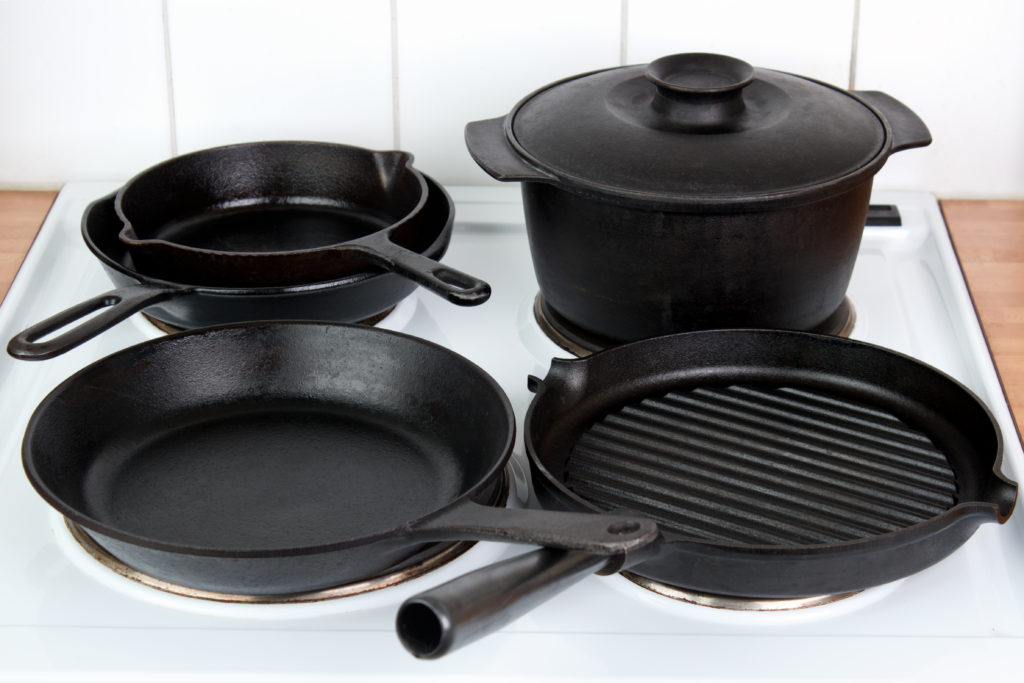
Before diving into the most debated topics, it’s important to recognize that cast iron is valued for its durability, heat retention, and versatility. However, the abundance of outdated or inaccurate advice can lead to confusion and missed opportunities in the kitchen.
Explore more kitchen tips and guides
Common Misconceptions About Cast Iron Maintenance
One of the most widespread cast iron cookery myths is that these pans are fragile or difficult to care for. In reality, with a few simple habits, cast iron can last a lifetime and even improve with age.
Myth 1: Never Use Soap on Cast Iron
Many believe that soap will strip away the seasoning and ruin the pan. While harsh detergents can affect the seasoning, a small amount of mild soap is safe for cleaning modern, well-seasoned cast iron. The polymerized oils that form the seasoning are quite resilient. After washing, simply dry the pan thoroughly and apply a light coat of oil.
Myth 2: Rust Means the Pan Is Ruined
Spotting rust on your skillet can be alarming, but it’s rarely a death sentence for your cookware. Rust is usually superficial and can be removed with steel wool or a scrubber. Once cleaned, re-season the pan and it will be ready for use again.

Myth 3: You Can’t Cook Acidic Foods in Cast Iron
It’s often said that tomatoes, wine, and other acidic ingredients will damage the seasoning or leach iron into your food. While prolonged cooking of acidic foods can affect a thin layer of seasoning, occasional use is perfectly fine with a well-seasoned pan. If you notice any dulling, simply reapply oil and heat to restore the finish.
Understanding Seasoning and Cooking Performance
The concept of seasoning is at the heart of many cast iron cookery myths. Let’s clarify what seasoning really means and how it impacts your cooking.
Myth 4: Seasoning Is a One-Time Process
Some believe that once a pan is seasoned, it’s set for life. In truth, seasoning is a continuous process. Each time you cook with oil, especially at higher temperatures, you’re building up the protective layer that makes cast iron nonstick and rust-resistant. Occasional touch-ups are normal and part of regular care.
Myth 5: Cast Iron Heats Evenly
While cast iron excels at retaining heat, it does not heat as evenly as some other materials. Hot spots can occur, especially on stovetops. To minimize this, preheat your pan gradually and allow it to come up to temperature before adding food. This helps distribute heat more evenly across the surface.
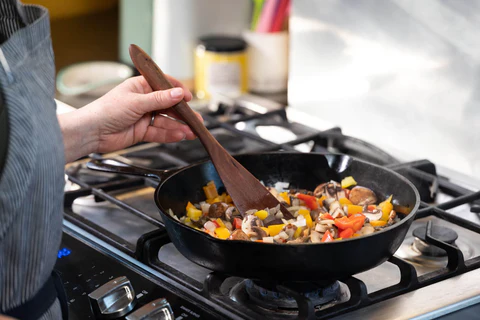
Myth 6: Metal Utensils Will Destroy the Seasoning
It’s a common worry that using metal spatulas or spoons will scrape away the seasoning. In reality, a well-developed seasoning is quite tough. Occasional use of metal utensils won’t harm your pan, though aggressive scraping should be avoided. If you do notice any bare spots, simply re-season as needed.
Practical Tips for Everyday Use
Now that we’ve addressed the most persistent cast iron cookery myths, here are some straightforward tips for keeping your cookware in top shape:
- Always dry your pan thoroughly after washing to prevent rust.
- Apply a thin layer of oil after each use to maintain the seasoning.
- Store your pan in a dry place, and consider placing a paper towel inside to absorb moisture.
- Don’t be afraid to use your pan often—regular cooking helps build and maintain the seasoning.
- If food sticks, try cooking with a bit more oil or allow the pan to preheat longer.
Frequently Asked Questions
Can I Use Cast Iron on Glass or Induction Stovetops?
Yes, cast iron works well on most stovetops, including glass and induction. However, be careful when moving the pan to avoid scratching the surface. Always lift the pan rather than sliding it.
How Do I Fix a Sticky Cast Iron Surface?
A sticky surface usually means too much oil was used during seasoning or not enough heat was applied. To fix this, scrub the pan with hot water and a stiff brush, dry it, and bake it upside down in the oven at 400°F for an hour.
Is It Safe to Cook for People With Iron Sensitivities?
Cooking with cast iron can increase the iron content in food, but the amount is generally small. If you or someone you cook for has a medical condition related to iron, consult a healthcare professional for guidance.
What’s the Best Oil for Seasoning?
Many oils work well, including flaxseed, canola, and vegetable oil. Choose one with a high smoke point for best results. The key is to apply a thin, even layer and bake the pan at a high temperature.
By separating fact from fiction, you can enjoy the full benefits of cast iron cookware without falling for outdated advice. With proper care and a willingness to experiment, your cast iron pans will serve you well for years to come.