 by
by Cast iron cookware has earned a loyal following among home cooks and professional chefs alike. Its durability, heat retention, and versatility make it a staple in many kitchens. Yet, even seasoned users have questions about proper care, seasoning, and best practices. This article provides clear, practical answers to the most common cast iron cookery FAQs, helping you get the most out of your pans and skillets.
Whether you’re new to cast iron or looking to refine your technique, understanding the essentials can make a big difference in your cooking results. From cleaning tips to seasoning advice, we’ll address the most frequent concerns and debunk common myths. For those interested in advanced seasoning techniques, you can explore Jeff Rogers’ cast iron seasoning method for expert guidance.
Getting Started With Cast Iron: Common Questions
Many cooks are drawn to cast iron for its ability to deliver even heat and develop a natural nonstick surface. However, the learning curve can be intimidating. Here are some foundational cast iron cookery FAQs to help you begin:
- Do I need to season my new pan? Most modern cast iron comes pre-seasoned, but adding a few layers of seasoning at home can enhance the nonstick properties and protect against rust.
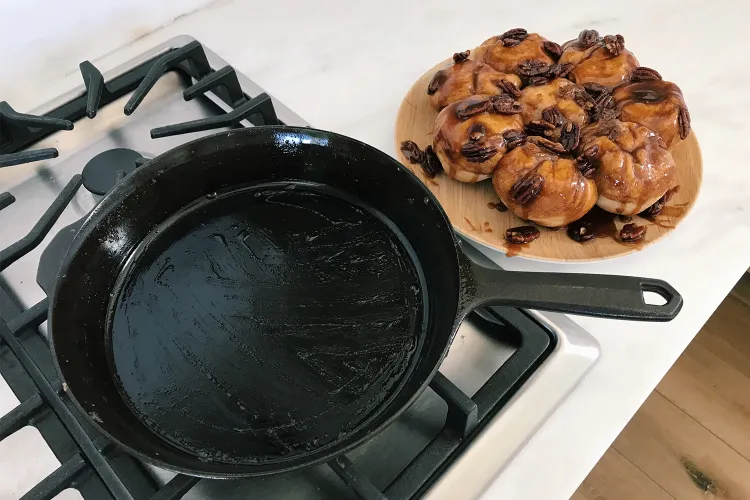
- What is seasoning? Seasoning is the process of baking oil onto the surface of the pan, creating a polymerized layer that prevents sticking and rust.
- Can I use soap when cleaning? Contrary to old myths, a small amount of mild soap is safe for cleaning seasoned cast iron. Just avoid harsh detergents and always dry thoroughly.
Cleaning and Maintaining Your Cookware
Proper maintenance is key to keeping your cast iron in top condition. Here are some essential tips and answers to frequent questions about cleaning and care:
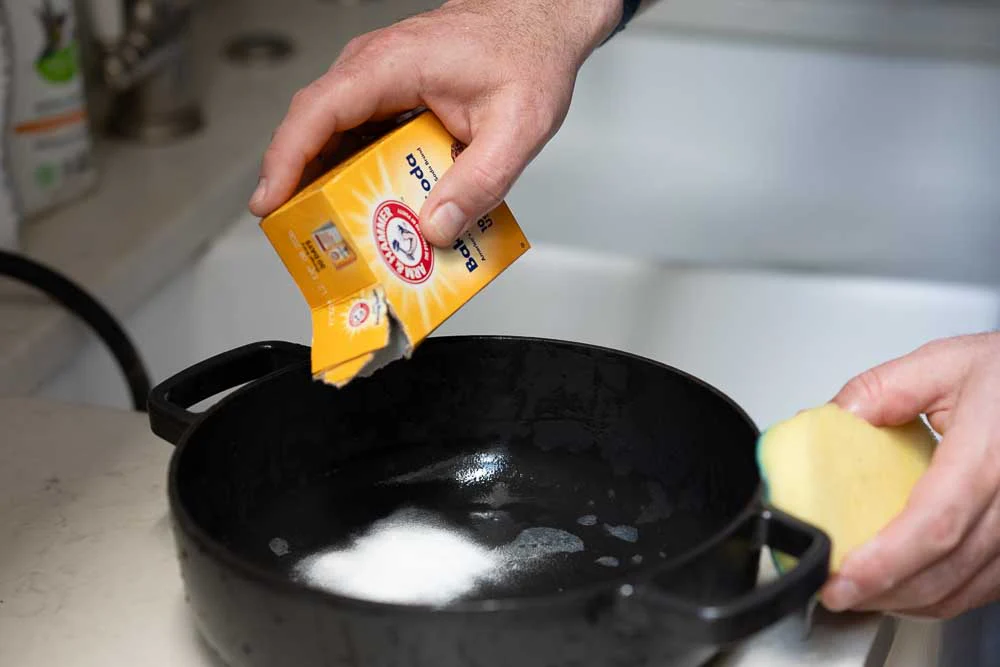
- How do I clean a dirty or stuck-on pan? After cooking, let the pan cool slightly, then use hot water and a stiff brush or non-abrasive scrubber. For stubborn bits, try a paste of coarse salt and water as a gentle abrasive.
- Should I avoid soaking my pan? Yes, prolonged soaking can lead to rust. Clean promptly and dry immediately after washing.
- How do I prevent rust? Always dry your cookware thoroughly and apply a thin layer of oil before storing. If rust appears, scrub it off with steel wool and re-season the pan.
Cooking Techniques and Best Practices
Mastering cast iron cooking involves more than just seasoning and cleaning. Here are some practical answers to questions about daily use:
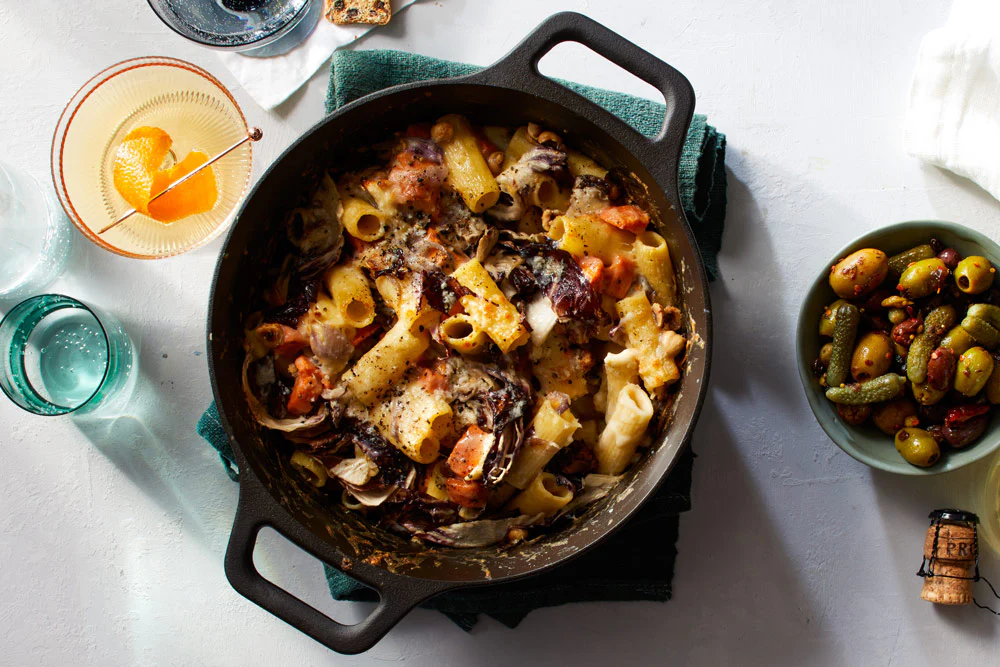
- Can I cook acidic foods in cast iron? Brief cooking of acidic ingredients (like tomatoes) is fine in a well-seasoned pan, but prolonged exposure can strip seasoning. Avoid simmering acidic dishes for hours.
- Is cast iron suitable for induction or glass stovetops? Cast iron works on all stovetops, including induction. However, lift the pan rather than sliding it to avoid scratching glass surfaces.
- How do I avoid food sticking? Preheat your pan before adding oil and ingredients. A well-seasoned surface and proper preheating minimize sticking.
Restoring and Re-Seasoning Cast Iron
Even neglected pans can be brought back to life. Here’s what you need to know about restoring and re-seasoning:
- How do I fix a rusty or sticky pan? Remove rust with steel wool, rinse, dry, and apply a thin layer of oil. Bake the pan upside down in a 450°F oven for an hour to rebuild the seasoning.
- What oils are best for seasoning? Flaxseed, grapeseed, or vegetable oil are popular choices. Use a thin layer to avoid sticky residue.
- How often should I season? Regular use and light oiling after each wash maintain the seasoning. Deep re-seasoning is only needed if the surface becomes rough or food starts sticking persistently.
Advanced Tips for Cast Iron Enthusiasts
Once you’re comfortable with the basics, you can experiment with more advanced techniques and recipes. Here are a few tips for getting the most out of your cookware:
- Try oven baking: Cast iron is perfect for baking bread, pizza, and even desserts, thanks to its even heat distribution.
- Use for grilling and roasting: The pan’s ability to withstand high temperatures makes it ideal for searing steaks or roasting vegetables.
- Explore seasoning methods: For those seeking a glass-smooth finish, consider multiple thin layers of seasoning, or follow expert guides such as Jeff Rogers’ seasoning technique.
Frequently Asked Questions About Cast Iron Cooking
- Why does my cast iron pan look dull or sticky after seasoning?
- A sticky surface usually means too much oil was applied during seasoning. Use a very thin layer and bake at high heat. If the pan is dull, regular use and occasional re-seasoning will restore its sheen.
- Can I use metal utensils on cast iron?
- Yes, metal spatulas and spoons are safe to use. The seasoning is durable, and using metal can even help smooth the surface over time.
- Is it safe to cook for people with iron sensitivities?
- Cast iron can leach small amounts of iron into food, especially with acidic dishes. For most people, this is beneficial, but those with medical conditions related to iron should consult a healthcare professional.
Summary: Making the Most of Your Cast Iron
With proper care, cast iron cookware can last for generations. Remember to season regularly, clean gently, and dry thoroughly. Don’t be afraid to experiment with new recipes and techniques—your pan will only get better with use. For those looking to expand their collection or replace an old skillet, consider investing in a quality set that will serve you well for years to come.
By following these answers to common cast iron cookery FAQs, you’ll enjoy reliable performance and delicious results every time you cook.