 by
by Cast iron cookware is prized for its durability, heat retention, and ability to develop a natural nonstick surface over time. However, one of the most common challenges faced by cast iron owners is rust. Even a small amount of moisture or improper storage can cause rust to form, threatening the longevity and performance of your pans and skillets. Understanding how to prevent cast iron from rusting is essential for anyone who wants to keep their cookware in top condition for years to come.
In this article, you’ll find practical tips for maintaining your cast iron, including cleaning, seasoning, and storage techniques. Whether you’re new to cast iron or looking to improve your care routine, these strategies will help you avoid rust and enjoy cooking with confidence.

For those interested in expanding their cast iron collection, consider exploring options like the Lodge Seasoned Cast Iron Set for versatile cooking.
Why Cast Iron Rusts and How to Avoid It
Rust forms on cast iron when the metal is exposed to water and oxygen. Unlike stainless steel, cast iron is highly reactive and lacks protective alloys, making it more susceptible to corrosion. Even a brief encounter with moisture can start the rusting process, especially if the cookware is not properly seasoned or dried.
The key to protecting cast iron from rust lies in minimizing exposure to water and maintaining a robust layer of seasoning. Seasoning acts as a barrier, shielding the metal from air and moisture. By following a few simple care steps, you can keep rust at bay and ensure your cookware remains a kitchen staple for generations.
Essential Cleaning Tips to Prevent Rust
Proper cleaning is the foundation of rust prevention. After each use, allow your cast iron to cool slightly, then wash it with warm water. Avoid soaking the pan or using harsh detergents, as these can strip away the seasoning and increase the risk of rust.
- Use minimal soap: If needed, a small amount of mild soap is safe, but avoid strong chemicals.
- Scrub gently: Use a soft sponge or a brush designed for cast iron. For stubborn food residue, try coarse salt as a gentle abrasive.
- Dry thoroughly: Immediately after washing, dry the pan with a towel. To ensure all moisture is gone, place it over low heat for a few minutes.
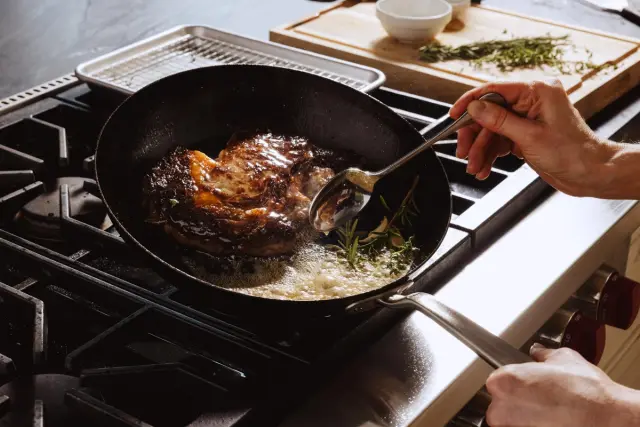
Seasoning: The Best Defense Against Rust
Seasoning refers to the process of coating cast iron with oil and heating it to create a hard, protective layer. This not only prevents sticking but also forms a barrier that keeps moisture and air away from the metal.
- Apply a thin layer of oil: After cleaning and drying, rub a small amount of neutral oil (like vegetable or flaxseed oil) over the entire surface, including the handle and bottom.
- Heat the pan: Place the pan upside down in a preheated oven at 400–450°F (200–230°C) for about an hour. Place a sheet of foil below to catch drips.
- Cool and repeat: Allow the pan to cool in the oven. For best results, repeat the process 2–3 times to build up a strong seasoning layer.
For a detailed walkthrough, check out this step-by-step guide to seasoning cast iron.
Proper Storage to Keep Cast Iron Rust-Free
Even well-seasoned cookware can develop rust if stored improperly. Moisture is the enemy, so always ensure your cast iron is completely dry before putting it away. Store it in a dry place with good air circulation.
- Leave the lid off: If your pan has a lid, store it slightly ajar to prevent trapped moisture.
- Use paper towels: Place a paper towel inside the pan to absorb any residual humidity.
- Hang or stack carefully: Hanging pans allows for better airflow. If stacking, place a cloth or paper towel between items to protect the seasoning.
Common Mistakes That Lead to Rust
Even with the best intentions, certain habits can make your cookware vulnerable to corrosion. Here are some pitfalls to avoid:
- Leaving pans wet: Never let cast iron air dry or soak in water.
- Using the dishwasher: The harsh detergents and prolonged exposure to water will strip seasoning and cause rust.
- Storing food in the pan: Acidic foods can break down the seasoning and promote rust formation.
- Neglecting regular seasoning: Skipping this step weakens the protective layer and exposes the metal.
Restoring Rusty Cast Iron
If you discover rust on your cookware, don’t panic. Most rust can be removed with a bit of effort, and the pan can be restored to its former glory.
- Scrub the rust: Use steel wool or a stiff brush to remove all traces of rust. Rinse and dry thoroughly.
- Re-season immediately: Once the rust is gone, follow the seasoning steps above to rebuild the protective layer.
- Repeat as needed: Severe rust may require multiple rounds of scrubbing and seasoning.
With patience and proper care, even heavily rusted pans can be brought back to life and enjoyed for many more years.
FAQ About Keeping Cast Iron Rust-Free
Can I Use Soap to Clean Cast Iron?
Yes, a small amount of mild soap is safe for cleaning cast iron, especially if the pan is well-seasoned. Just be sure to rinse thoroughly and dry the pan completely to prevent any moisture from causing rust.
How Often Should I Season My Cast Iron?
It’s a good idea to season your cookware every few uses, or whenever you notice food starting to stick or the surface looking dull. Regular seasoning helps maintain a strong, rust-resistant barrier.
What Should I Do If My Cast Iron Gets Rusty?
Remove the rust by scrubbing with steel wool or a stiff brush, then rinse, dry, and re-season the pan. Most rust can be removed with a little effort, and the pan will be as good as new.
Is It Safe to Cook on Slightly Rusty Cast Iron?
Cooking on rusty cast iron is not recommended, as rust can affect the flavor and safety of your food. It’s best to remove the rust and re-season the pan before using it again.
Conclusion
Caring for cast iron doesn’t have to be complicated. By following these practical steps—cleaning gently, drying thoroughly, seasoning regularly, and storing properly—you can effectively keep cast iron from rusting and enjoy its benefits for a lifetime. With the right maintenance, your cookware will remain a reliable and cherished part of your kitchen.