 by
by Cooking pork chops in a cast iron skillet is a time-tested method that delivers a flavorful, juicy result with a beautifully caramelized crust. Whether you’re new to cast iron or looking to perfect your technique, understanding the nuances of this classic cookware can make all the difference. This guide covers essential cast iron pork chops cooking tips, from skillet prep to seasoning and serving, so you can enjoy restaurant-quality results at home.
Before diving into the details, it’s important to note that using cast iron requires some care and maintenance. For a comprehensive overview on maintaining your skillet, check out this expert guide to cleaning and seasoning cast iron skillets. Keeping your cookware in top shape ensures consistent cooking and longevity.

Choosing the Right Pork Chops for Cast Iron Cooking
Not all pork chops are created equal, and the cut you select will impact both flavor and texture. For best results, opt for bone-in, thick-cut chops—ideally at least 1 inch thick. These retain moisture better and are less likely to dry out during the searing process. Boneless or thinner chops can work, but require extra attention to avoid overcooking.
- Bone-in chops offer more flavor and juiciness.
- Thick-cut pork chops are more forgiving and easier to cook evenly.
- Look for chops with a good amount of marbling for added tenderness.
Preparing Your Cast Iron Skillet
Proper skillet preparation is a cornerstone of successful pork chop cooking. Start by ensuring your cast iron is well-seasoned and free of any debris. Preheat the skillet over medium-high heat for several minutes—cast iron takes time to heat, but retains it exceptionally well.
Once the skillet is hot, add a high smoke point oil such as canola, avocado, or grapeseed. Swirl to coat the surface evenly. This step is crucial for achieving a golden-brown sear and preventing sticking.
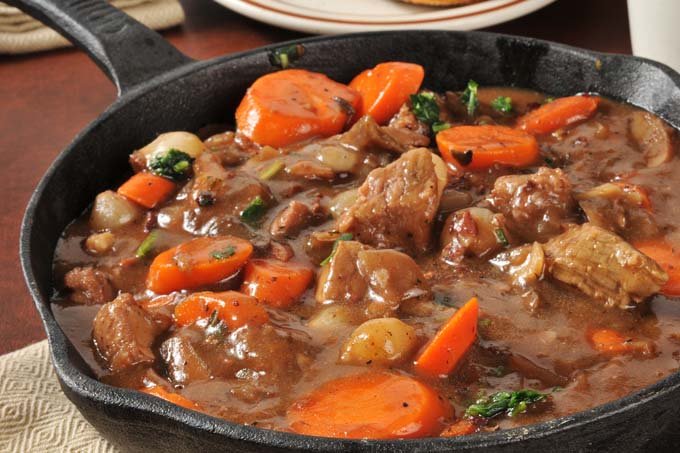
Seasoning and Flavoring Pork Chops
Seasoning is more than just salt and pepper. For maximum flavor, generously season both sides of the pork chops with kosher salt, freshly ground black pepper, and any additional spices you enjoy. Garlic powder, smoked paprika, and dried herbs like thyme or rosemary complement pork beautifully.
- Pat the chops dry with paper towels before seasoning to ensure a crisp crust.
- Allow seasoned chops to rest at room temperature for 20-30 minutes before cooking. This promotes even cooking.
- For extra flavor, consider marinating the pork for a few hours in advance.
Mastering the Sear: Achieving the Perfect Crust
One of the biggest advantages of cast iron is its ability to create a deep, flavorful crust. To achieve this, place the seasoned pork chops in the hot skillet and let them sear undisturbed for 3-5 minutes per side, depending on thickness. Avoid moving the chops too soon—patience is key to developing that signature golden-brown exterior.
Once both sides are well-seared, you can finish cooking in the skillet or transfer to a preheated oven (400°F) to finish, especially for thicker cuts. Use a meat thermometer to check for doneness; pork is safe to eat at 145°F, followed by a brief rest.
Resting and Serving for Best Results
After cooking, allow the pork chops to rest on a plate, loosely tented with foil, for 5-10 minutes. This step lets the juices redistribute, resulting in a moist, tender bite. Slice against the grain for optimal tenderness and serve with your favorite sides.
For a finishing touch, consider adding a pat of herb butter or a drizzle of pan sauce made by deglazing the skillet with a splash of broth, wine, or apple cider. Scrape up the browned bits for maximum flavor.
Cleaning and Maintaining Your Cast Iron Skillet
Proper care keeps your skillet performing at its best. After cooking, let the pan cool slightly, then wipe out excess grease and food particles. Avoid using soap or soaking the skillet, as this can strip the seasoning. Instead, scrub gently with a brush and hot water, then dry thoroughly. Apply a thin layer of oil before storing to prevent rust.
For more detailed instructions, refer to this step-by-step guide to cleaning and seasoning cast iron.
Common Mistakes to Avoid When Using Cast Iron for Pork Chops
- Skipping the preheat: Always allow the skillet to get hot before adding meat.
- Overcrowding the pan: Cook in batches if needed to ensure even browning.
- Neglecting to rest meat: Cutting too soon can cause juices to run out, leaving chops dry.
- Using too little oil: A light coating prevents sticking and promotes a crisp crust.
- Improper cleaning: Avoid harsh detergents and never put cast iron in the dishwasher.
Frequently Asked Questions
How do I prevent pork chops from sticking to my cast iron skillet?
Ensure your skillet is well-seasoned and preheated before adding oil and meat. Pat the pork chops dry and use enough oil to coat the surface. Let the chops sear undisturbed until they naturally release from the pan—if they stick, they likely need more time to develop a crust.
What is the best way to check if pork chops are cooked through?
Use an instant-read meat thermometer inserted into the thickest part of the chop. Pork is safe to eat at 145°F. Remove from heat at this temperature and allow to rest for a few minutes before serving.
Can I use boneless pork chops in a cast iron skillet?
Yes, boneless pork chops can be cooked in cast iron, but they tend to cook faster and can dry out more easily. Monitor closely and reduce cooking time as needed to avoid overcooking.
Conclusion
Mastering cast iron pork chops cooking tips is all about attention to detail—from choosing the right cut and seasoning to skillet prep and proper resting. With these practical steps, you’ll consistently achieve juicy, flavorful pork chops with a perfect sear. Keep your cast iron skillet in top condition, experiment with seasonings, and enjoy the satisfaction of a home-cooked meal that rivals your favorite restaurant.