 by
by Choosing the right cast iron cookware can make a significant difference in your kitchen, whether you’re a seasoned home cook or just starting out. This cast iron cookware comparison guide is designed to help you understand the key differences between popular types, brands, and features, so you can select the best option for your cooking needs. We’ll cover the pros and cons of various cast iron pieces, compare enameled and traditional finishes, and offer practical tips for care and longevity.
For a deeper dive into maintenance and best practices, you might find this comprehensive guide to cast iron care and cooking tips helpful.
Understanding the Basics of Cast Iron Cookware
Cast iron has been a kitchen staple for centuries, prized for its durability, heat retention, and versatility. It’s available in several forms, including skillets, Dutch ovens, griddles, and specialty pans. Each type serves a unique purpose, and understanding these differences is the first step toward making an informed choice.
- Skillets: Ideal for frying, sautéing, baking, and searing. They come in various sizes and depths.
- Dutch Ovens: Perfect for slow-cooked meals, stews, and baking bread. Their heavy lids help retain moisture.
- Griddles: Great for pancakes, bacon, and flatbreads, offering a large, flat cooking surface.
- Specialty Pans: Includes cornbread molds, grill pans, and more for specific cooking tasks.
When comparing cast iron cookware, consider what types of meals you prepare most often and which pieces will get the most use in your kitchen.
Traditional vs. Enameled Cast Iron: Which Is Right for You?
One of the most important decisions is whether to choose traditional bare cast iron or enameled versions. Both have their advantages, and the best choice depends on your cooking style and maintenance preferences.
Traditional Cast Iron
- Requires seasoning to maintain its nonstick surface and prevent rust.
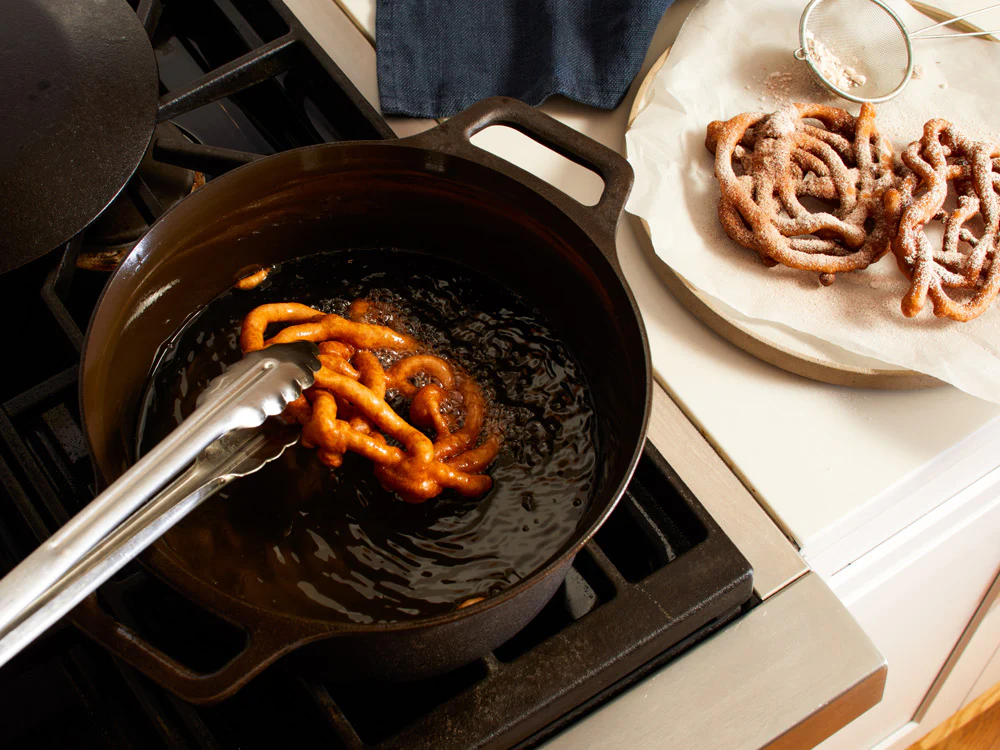
- Can withstand extremely high temperatures, making it suitable for stovetop, oven, and even campfire use.
- Develops a natural patina over time, enhancing flavor and performance.
- Generally more affordable than enameled options.
Enameled Cast Iron
- Features a porcelain enamel coating that eliminates the need for seasoning.
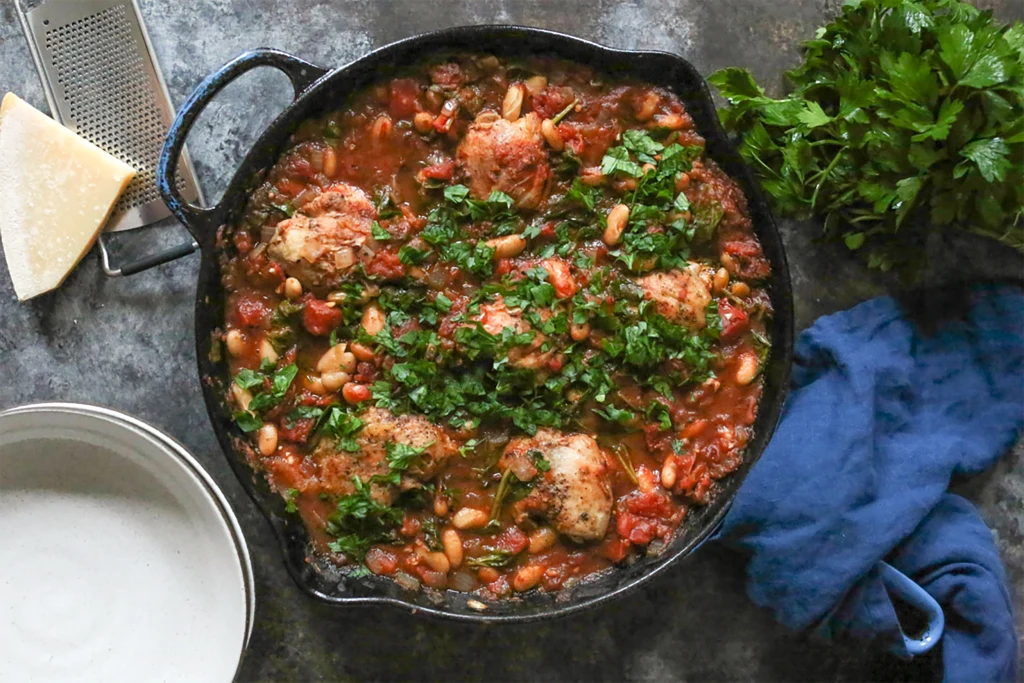
- Resistant to acidic foods and easier to clean—ideal for dishes like tomato sauces or braises.
- Available in a variety of colors and styles to match your kitchen décor.
- Typically heavier and more expensive, but offers a lower-maintenance option.
For those who enjoy the ritual of seasoning and want a pan that improves with age, traditional cast iron is a classic choice. If convenience and easy cleanup are top priorities, enameled cookware may be the better fit.
Comparing Popular Brands and Price Points
When searching for the best cast iron cookware, you’ll encounter a range of brands, each with its own reputation for quality and value. Here’s a brief overview of some leading names and what sets them apart:
| Brand | Type | Price Range | Key Features |
|---|---|---|---|
| Lodge | Traditional | Budget-Friendly | Pre-seasoned, widely available, reliable performance |
| Le Creuset | Enameled | Premium | Colorful enamel, excellent heat retention, easy to clean |
| Staub | Enameled | Premium | Matte black interior, moisture-retaining lids, stylish design |
| Field Company | Traditional | Mid-High | Lighter weight, smooth finish, modern craftsmanship |
Budget-friendly options like Lodge are perfect for beginners or those looking to expand their collection without a significant investment. Premium brands such as Le Creuset and Staub offer exceptional performance and aesthetics, making them popular for gifting or display-worthy cookware.
Key Factors to Consider in a Cast Iron Cookware Comparison
To make the most of this cast iron cookware comparison guide, it’s important to weigh several factors before making a purchase:
- Weight: Cast iron is naturally heavy, but some brands offer lighter models for easier handling.
- Size: Consider the number of people you typically cook for and your available storage space.
- Handle Design: Look for comfortable, ergonomic handles, especially on larger pieces.
- Lid Fit: A tight-fitting lid is essential for braising and moisture retention.
- Finish: Decide between a smooth or slightly textured interior, which can affect food release and seasoning.
Assessing these details will help you find cookware that fits seamlessly into your cooking routine.

Care and Maintenance Tips for Longevity
Proper care is essential for getting the most out of your cast iron cookware. Here are some practical tips to keep your pans in top shape:
- Always dry thoroughly after washing to prevent rust.
- For traditional pans, apply a thin layer of oil after each use to maintain seasoning.
- Avoid soaking or using harsh detergents, as these can strip the seasoning.
- Store with the lid off or a paper towel between pan and lid to allow air circulation.
- Enameled pieces can be cleaned with mild soap, but avoid metal utensils that may chip the coating.
With regular maintenance, your cast iron cookware can last for generations and even improve with age.
Frequently Asked Questions
Is cast iron cookware suitable for all cooktops?
Yes, cast iron works on gas, electric, induction, and even open flame. However, always lift rather than slide your cookware to avoid scratching glass or ceramic surfaces.
How do I fix a rusty cast iron pan?
Remove rust with steel wool or a stiff brush, rinse, dry, and re-season the pan by applying oil and baking it in the oven. Regular seasoning helps prevent future rust.
Can I use soap to clean cast iron?
Mild soap is safe for traditional cast iron if used sparingly, but avoid soaking. Enameled cast iron can be washed with soap more freely, as the enamel protects the metal.
Conclusion
Comparing different types of cast iron cookware helps you find the best fit for your kitchen and cooking style. Whether you prefer the timeless appeal of traditional pans or the convenience of enameled pieces, investing in quality cast iron can elevate your culinary experience. With proper care and attention to the factors outlined in this guide, you’ll enjoy reliable performance and delicious results for years to come.