 by
by Few dishes capture the essence of Asian home cooking quite like a traditional fried rice recipe. This beloved staple delivers a perfect balance of savory flavors, satisfying textures, and vibrant colors. Whether you’re looking to recreate the comforting taste of a classic takeout favorite or hoping to master a foundational dish in Asian cuisine, learning the authentic method is a rewarding experience.
In this guide, you’ll discover the essential ingredients, step-by-step instructions, and expert tips for preparing fried rice that’s bursting with genuine flavor. We’ll also highlight key equipment and pantry staples that can elevate your results. For those interested in exploring more techniques and variations, check out this comprehensive fried rice tutorial for additional inspiration.
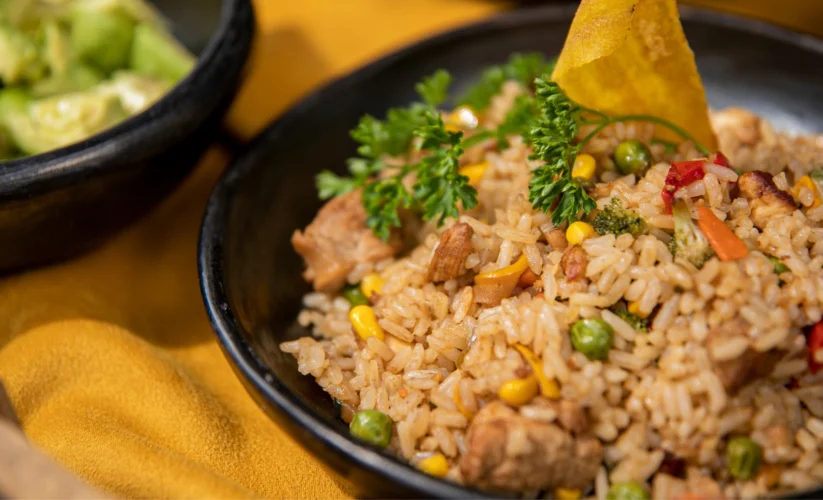
The beauty of this dish lies in its adaptability. With just a few core components and the right technique, you can create a meal that’s both satisfying and deeply rooted in Asian culinary tradition. Before diving into the cooking process, let’s look at what makes this dish truly special.
Explore more recipes and cooking tips
Key Elements of Authentic Fried Rice
To achieve the unmistakable taste and texture of a classic Asian fried rice, it’s important to understand the role of each ingredient and the cooking process. Here are the essential components:
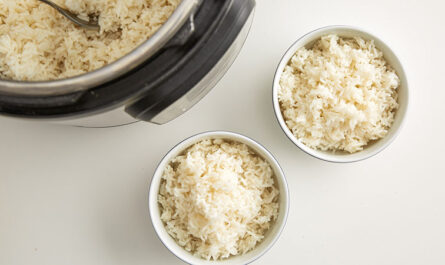
- Rice: Day-old, medium- or long-grain rice is ideal. Freshly cooked rice tends to be too moist and sticky, while leftover rice has the perfect texture for stir-frying.
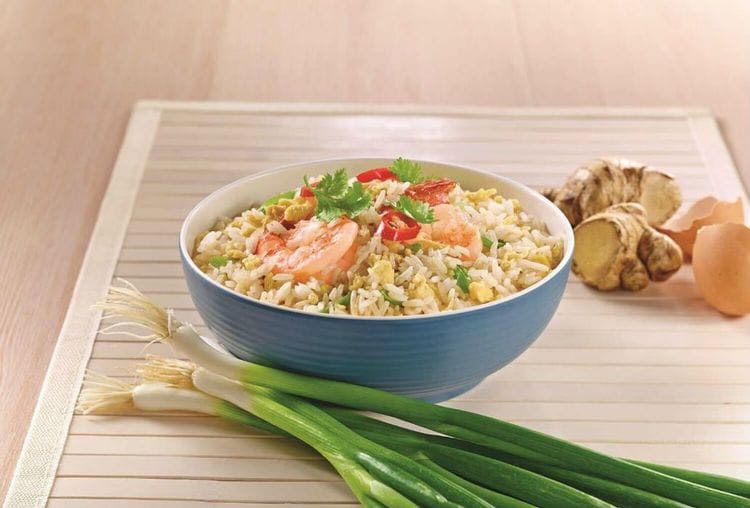
- Protein: Common choices include eggs, shrimp, chicken, pork, or tofu. Each adds its own flavor and substance to the dish.
- Vegetables: Peas, carrots, scallions, and onions are traditional, but you can add bell peppers, bean sprouts, or other favorites.
- Sauces: Soy sauce is essential for umami depth, while oyster sauce and a dash of sesame oil provide complexity.
- Aromatics: Garlic and ginger are often used to infuse the oil and rice with a fragrant base.
Ingredients for a Classic Home-Style Fried Rice
For a truly authentic fried rice experience, gather the following ingredients. This list serves four people and can be easily adjusted to suit your preferences.
- 3 cups cooked, cold rice (preferably day-old)
- 2 tablespoons vegetable oil
- 2 large eggs, lightly beaten
- 1 cup mixed vegetables (peas, carrots, corn, diced)
- 1/2 cup cooked protein (shrimp, chicken, pork, or tofu), diced
- 2–3 scallions, sliced
- 2 cloves garlic, minced
- 1 tablespoon soy sauce
- 1 tablespoon oyster sauce (optional)
- 1 teaspoon sesame oil
- Salt and white pepper, to taste
Step-by-Step Guide to the Perfect Fried Rice
Mastering a traditional fried rice recipe is all about timing and technique. Follow these steps for delicious results every time.
- Prepare the Ingredients: Have all your ingredients chopped and ready. Fried rice cooks quickly, so preparation is key.
- Heat the Pan: Use a large skillet or wok over medium-high heat. Add 1 tablespoon of oil and swirl to coat.
- Scramble the Eggs: Pour in the beaten eggs and scramble until just set. Remove eggs from the pan and set aside.
- Sauté Aromatics and Protein: Add the remaining oil, then garlic and scallions. Stir-fry for 30 seconds. Add your protein and cook until heated through.
- Add Vegetables: Toss in the mixed vegetables and stir-fry for 1–2 minutes.
- Stir-Fry the Rice: Add the cold rice, breaking up any clumps. Stir-fry for 2–3 minutes, letting the rice absorb the flavors.
- Season: Pour in soy sauce, oyster sauce (if using), and sesame oil. Mix well to coat every grain.
- Finish: Return the scrambled eggs to the pan. Stir everything together, taste, and adjust seasoning with salt and white pepper.
- Serve: Garnish with extra scallions and serve hot.
Tips for the Best Homemade Fried Rice
Achieving restaurant-quality results at home is possible with a few simple tricks:
- Use cold, leftover rice: This prevents clumping and helps each grain fry evenly.
- High heat is essential: A hot pan ensures ingredients cook quickly and develop a slight char for extra flavor.
- Don’t overcrowd the pan: Cook in batches if necessary to avoid steaming the rice.
- Add sauces gradually: Too much liquid can make the rice soggy. Taste as you go.
- Customize to taste: Swap in your favorite vegetables or proteins for endless variations.
Variations and Regional Influences
While the basic method remains the same, different Asian countries have their own signature twists. For example:
- Chinese-style: Often features char siu pork, shrimp, and vegetables with a light soy sauce seasoning.
- Thai-style (Khao Pad): Uses jasmine rice, fish sauce, and sometimes pineapple or chili for a sweet-spicy kick.
- Japanese Yakimeshi: Incorporates short-grain rice and may include pickled ginger or Japanese Worcestershire sauce.
- Indonesian Nasi Goreng: Adds kecap manis (sweet soy sauce) and is often topped with a fried egg.
Feel free to experiment with these influences to create your own signature version while maintaining the core technique.
Serving Suggestions and Pairings
This versatile dish can be enjoyed on its own or as part of a larger meal. Here are a few serving ideas:
- Pair with stir-fried greens or steamed vegetables for a balanced plate.
- Serve alongside grilled meats, dumplings, or spring rolls for a festive spread.
- Add a splash of chili oil or a squeeze of lime for extra zest.
Frequently Asked Questions
What type of rice is best for making fried rice?
Day-old, medium- or long-grain rice is ideal. Leftover rice is drier and less sticky, which helps achieve the classic separated grains found in authentic fried rice.
Can I make this dish vegetarian or vegan?
Absolutely. Omit the eggs and use tofu or extra vegetables as your protein. Swap oyster sauce for a vegetarian alternative or simply use more soy sauce.
How do I prevent my fried rice from becoming mushy?
Use cold, leftover rice and avoid adding too much sauce. Stir-fry over high heat and don’t overcrowd the pan to keep the grains separate and slightly crisp.
Is it necessary to use a wok?
While a wok is traditional and helps with even heat distribution, a large skillet works well for home cooks. The key is to use high heat and avoid overcrowding.